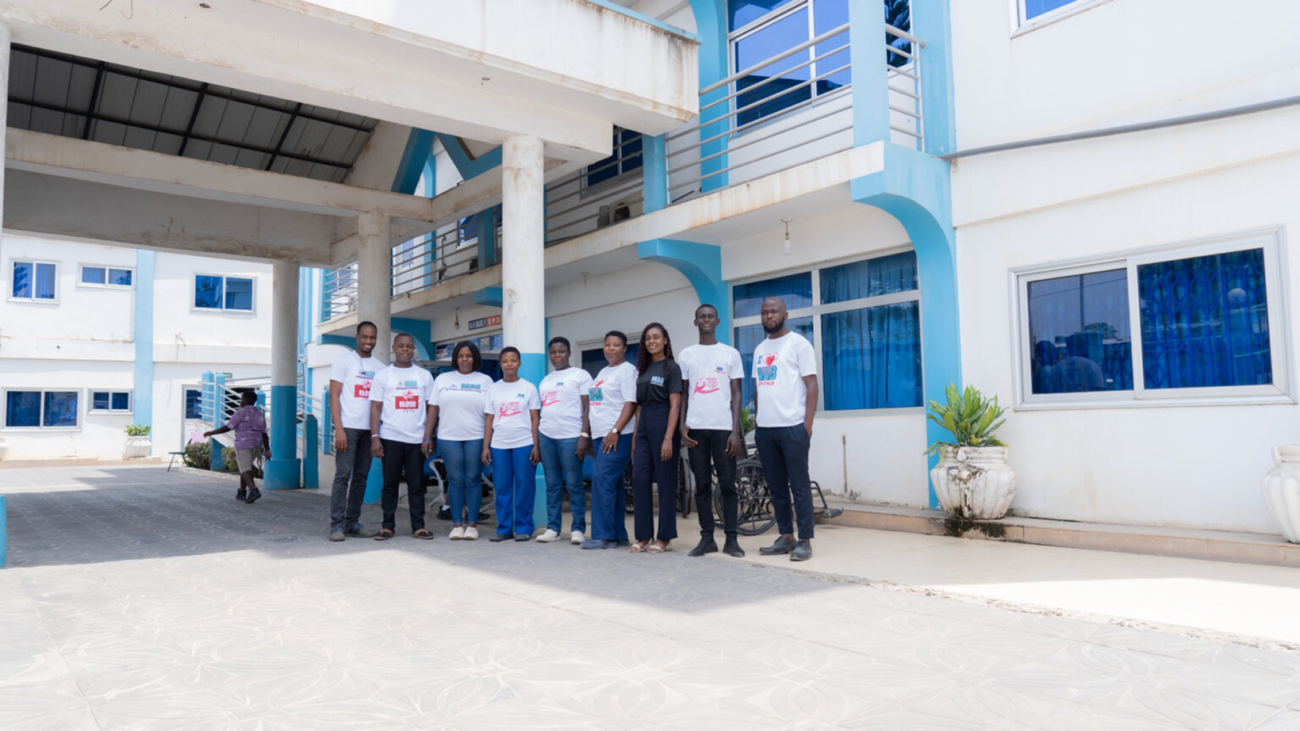
In a bid to provide top-notch medical services to the Ghanaian community, MAB International Hospital, located at Nyamekye—Accra, has emerged as a beacon of hope.With over 10 years of experience in private healthcare as a clinic, hospital, and training center, MAB International Hospital is redefining healthcare in Ghana by focusing on accessibility, affordability, and compassionate patient care.
The Health Pulse Magazine covered an exclusive with the Executive Director of the hospital, Mr. Opare Akuamoah-Boateng, who tells the story of the facility with a strong emphasis on maternal and child health.
MAB International Hospital boasts an impressive array of cutting-edge facilities, including a soon-to-be-launched dialysis center, slated for completion by the end of May. The hospital’s X-ray department is equipped with the latest technology, and plans are underway to acquire ultra-modern MRI and CT scan machines. The laboratory is fitted with the latest machines, ensuring accurate and efficient diagnostic services.
During the interview, he highlighted their commitment to patient satisfaction, emphasizing the hospital’s unique approach, which ensures that patients receive prompt attention, with a protocol in place to guarantee a doctor’s consultation within 10 minutes of check-in. A team of dedicated nurses is always available to provide assistance, making the healthcare experience as seamless as possible.
“Our wards are designed to be home-friendly, creating a warm and welcoming atmosphere that helps boost patients’ moods during recovery. The hospital’s priority is clear: to make patients feel at home, even when they’re away from their loved ones.” Said Mr. Opare Akuamoah-Boateng.
Additionally, the hospital offers affordable services, accepting payments from the National Health Insurance Scheme (NHIS). They are also committed to giving back to the community, having visited a local orphanage to provide free screening services and medications. This course of action is conducted at least once every month, demonstrating its dedication to social responsibility.
Despite facing challenges with reimbursement from partners and funding, the hospital’s future plans include becoming an ultra-modern facility equipped to treat cancer, a significant step forward for healthcare in Ghana.
As the country continues to navigate the healthcare landscape, MAB Hospital stands as a shining example of innovation and compassion. With its patient-centric approach, advanced medical equipment, and a commitment to community outreach, this hospital is revolutionizing healthcare in Ghana, one patient at a time.
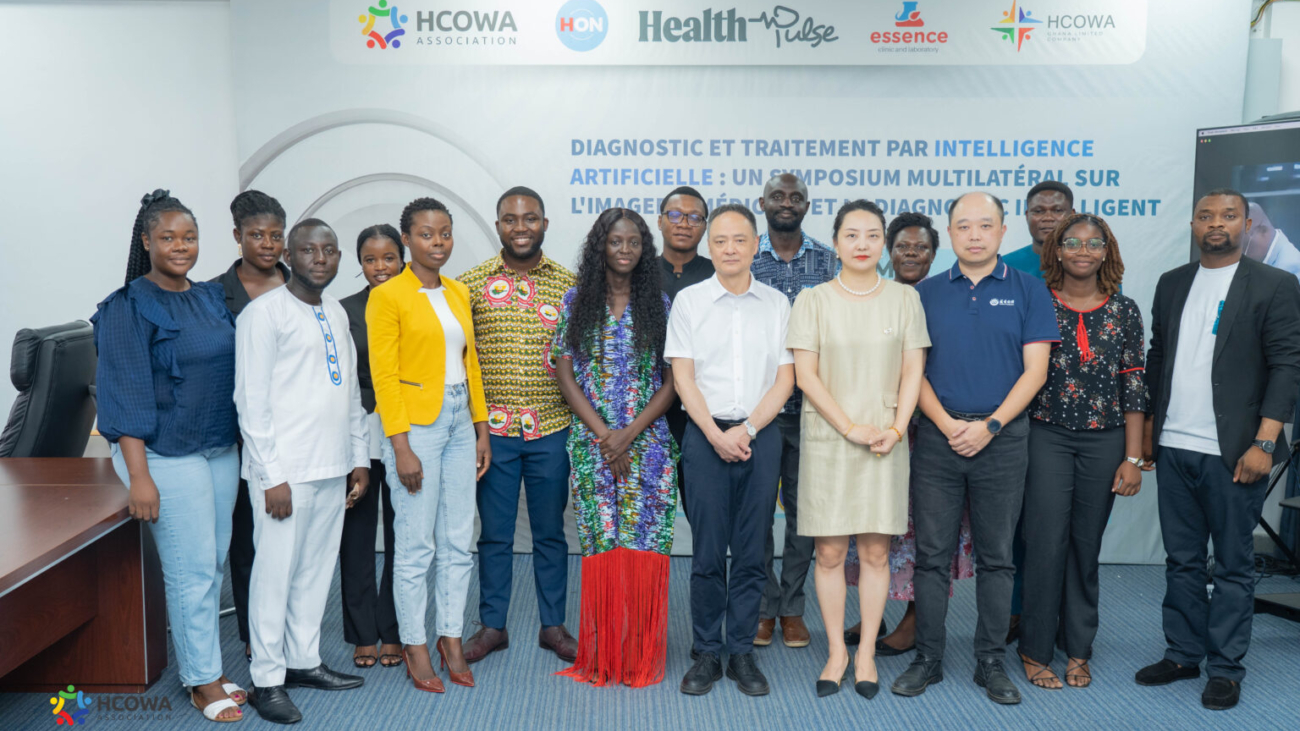
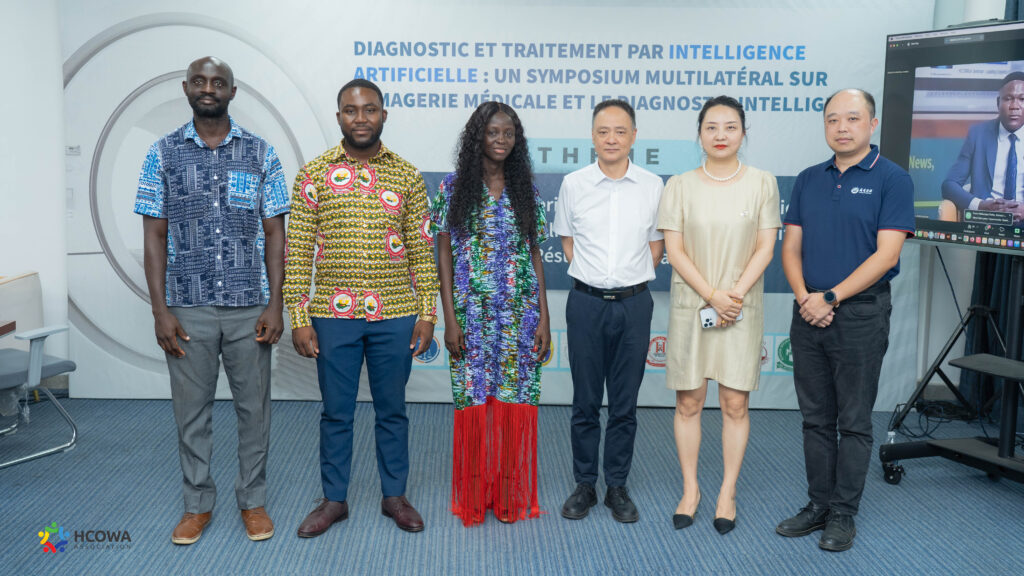
In a rapidly evolving healthcare landscape, technological advancements are reshaping the way medical professionals diagnose and treat patients. Artificial Intelligence (AI) is proving to be a transformative force, offering groundbreaking solutions to long-standing healthcare challenges. Recognizing this potential, the Health Community of West Africa Association (HCOWAA) hosted its fifth conference under the theme: “AI in Medical Imaging and Intelligent Diagnosis: Enhancing Accuracy, Speed, and Patient Outcomes.” The event, held on March 21, 2025, at the HCOWAA headquarters in Labadi Trade Fair, Accra, Ghana, brought together a distinguished array of experts, French-speaking medical practitioners, and healthcare partners, both physically and virtually via Zoom, to explore the vital role AI plays in improving medical outcomes.
Key Discussions and Insights Among the key speakers was Dr. Gifty Boateng Agyenim, a dedicated pharmacist who earned her Doctor of Pharmacy degree from the University of Algiers in Algeria. Dr. Agyenim presented on the topic: “Intelligent Diagnostic Techniques Using Artificial Intelligence to Address Regional Healthcare Challenges.”
In her address, Dr. Agyenim underscored the significant impact of AI-driven diagnostic solutions in enhancing healthcare delivery in resource-limited environments. She highlighted how AI is transforming diagnostic precision in underserved healthcare facilities, where access to essential resources is often constrained.
“Many healthcare facilities in West Africa are under-resourced, often lacking essential equipment and sufficient medical personnel. This situation is not limited to rural areas; even urban hospitals struggle with limited resources, which compromises the accuracy and timeliness of patient diagnoses,” Dr. Agyenim explained.
She referenced a 2019 study conducted by a team of community medicine and epidemiology professors in Nigeria, which identified the severe shortage of healthcare professionals as one of Africa’s most pressing healthcare challenges. The study revealed that the region suffers from a significant gap in the number of available medical specialists, forcing healthcare personnel to bear heavy workloads and limiting the quality of care provided. Poorly maintained roads further hinder patient access to medical facilities, compounding these issues.
Exploring Innovations in Medical Imaging Adding further insights to the conference was Dr. Habib Kourouma, the Secretary-General of the HCOWAA Guinea branch and an epidemiologist with the World Health Organization (WHO). Bilingual in French and English, Dr. Kourouma explored the growing role of AI in medical imaging and the challenges that accompany its integration.
“In radiology, AI is rapidly becoming an essential tool. With the surge in medical data, radiologists face an increased workload that reduces their interaction time with patients and raises the risk of diagnostic errors,” Dr. Kourouma explained.
He described how cutting-edge AI software now assists radiologists by identifying potential pathological elements in medical images, prioritizing urgent cases, and improving the clarity and precision of radiological visuals. These advancements are revolutionizing healthcare delivery, particularly in regions where healthcare resources are stretched thin.
Advancements in Medical Imaging Technology Mr. Liu Xiombo highlighted the significance of the DICOM standard, developed by the American College of Radiology (ACR) and the National Electrical Manufacturers Association (NEMA) in 1985. Widely used in radiology, cardiovascular imaging, and diagnostic equipment like X-rays, CT, MRI, and ultrasound, DICOM has replaced traditional X-ray films with digital workflows. This innovation enables efficient data exchange between medical institutions, supporting the growth of Picture Archiving and Communication Systems (PACS) and improving diagnostic accuracy.
Gold Panda, a medical imaging tool, was also discussed for its remarkable efficiency. This tool allows users to open CT cases with 2000 images in just 3 seconds and supports image downloads via HTTP protocol, WADO-URI, and DICOM QR, enabling users to start viewing images before the download completes.
Insights from the Nursing Community Mr. Amenoudji Koffi Augustin, Secretary-General of the Association Nationale des Infirmiers et Infirmières du Togo, presented online via Zoom to nearly 100 participants. His insights highlighted the increasing role of AI in supporting nursing practices and improving patient care outcomes.
Fostering Collaboration and Future Integration The symposium concluded with interactive discussions and engaging PowerPoint presentations from participants connected via Zoom. Attendees expressed a strong interest in exploring further collaborations to integrate AI technologies into healthcare systems across West Africa.
The successful organization of this symposium underscores HCOWAA’s commitment to promoting innovation and improving healthcare outcomes throughout the region. By embracing AI in diagnostic processes, West African healthcare facilities are advancing toward enhanced precision, faster results, and ultimately better patient care.
With initiatives like this, the Health Community of West Africa Association continues to play a pivotal role in driving transformative solutions to address healthcare challenges, ensuring that no community is left behind in the pursuit of improved medical outcomes.