3O5A0436-1536x1024

2025 China–West Africa Medical & Health Industry Expo and AI Diagnosis & Project Cooperation Summit Opens in Accra

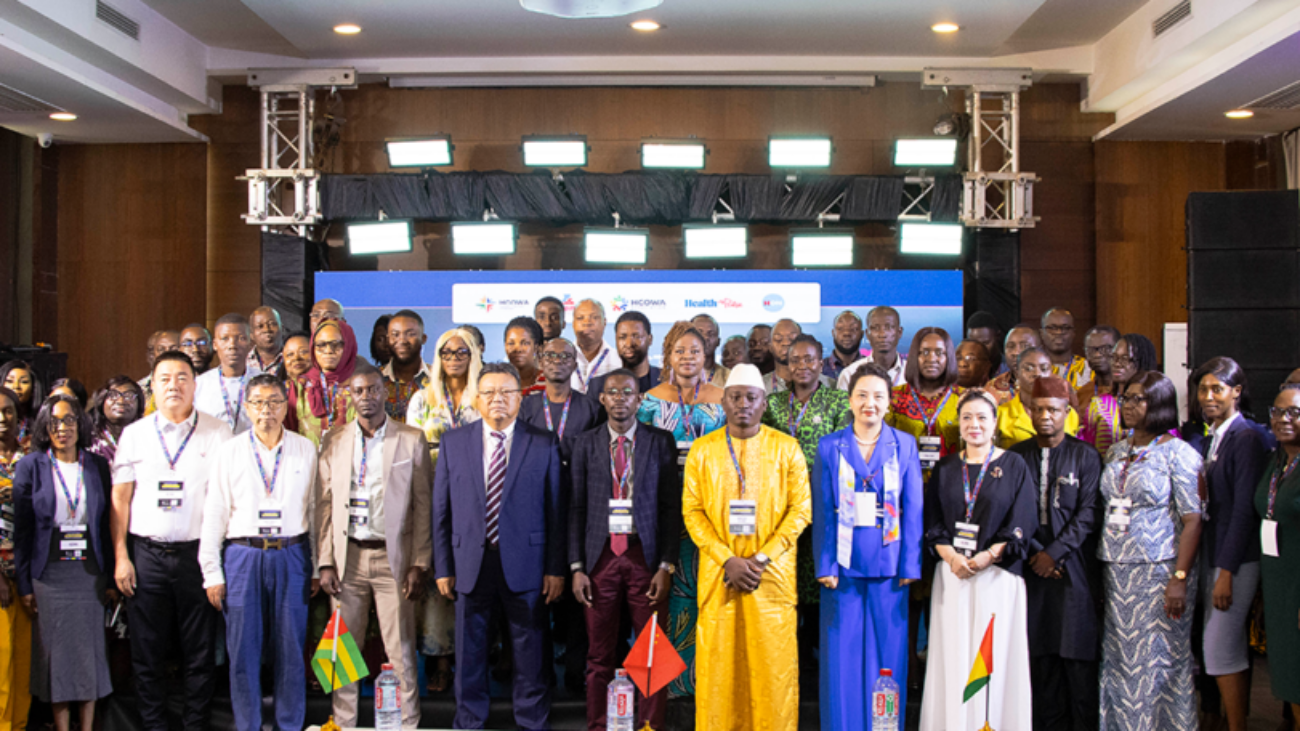
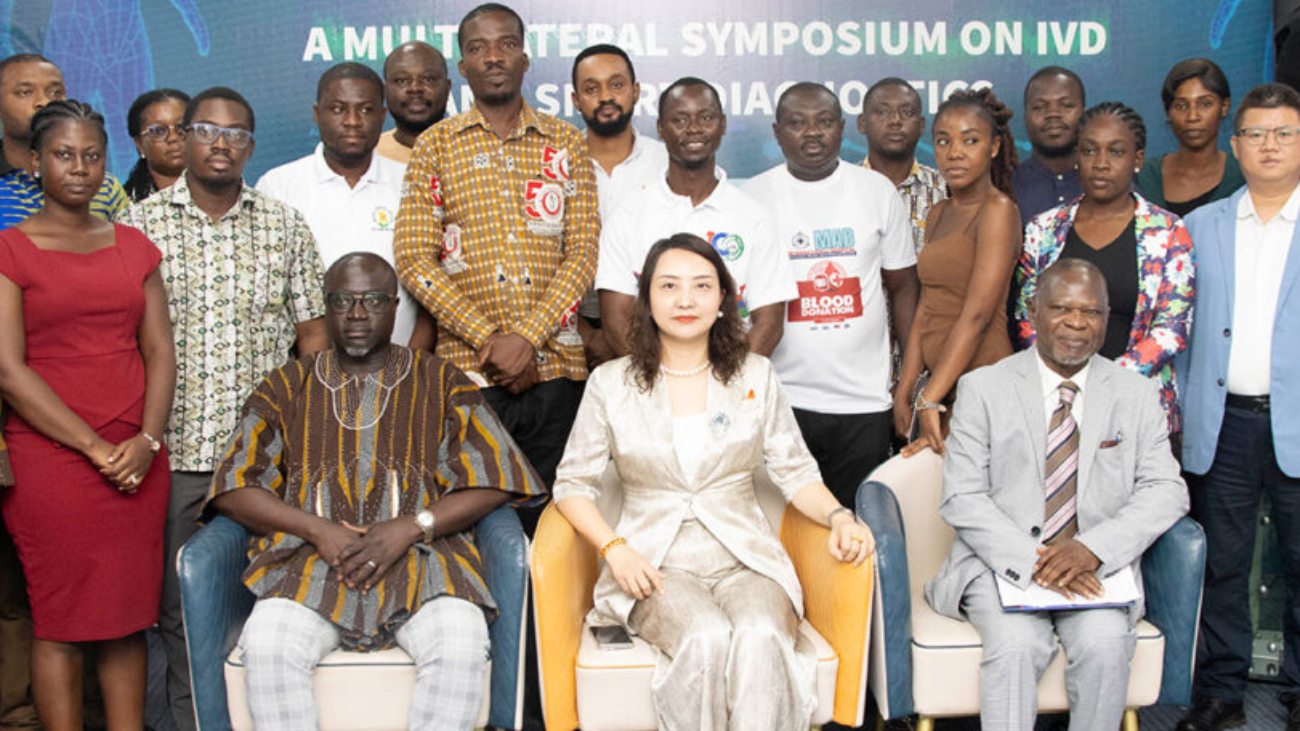
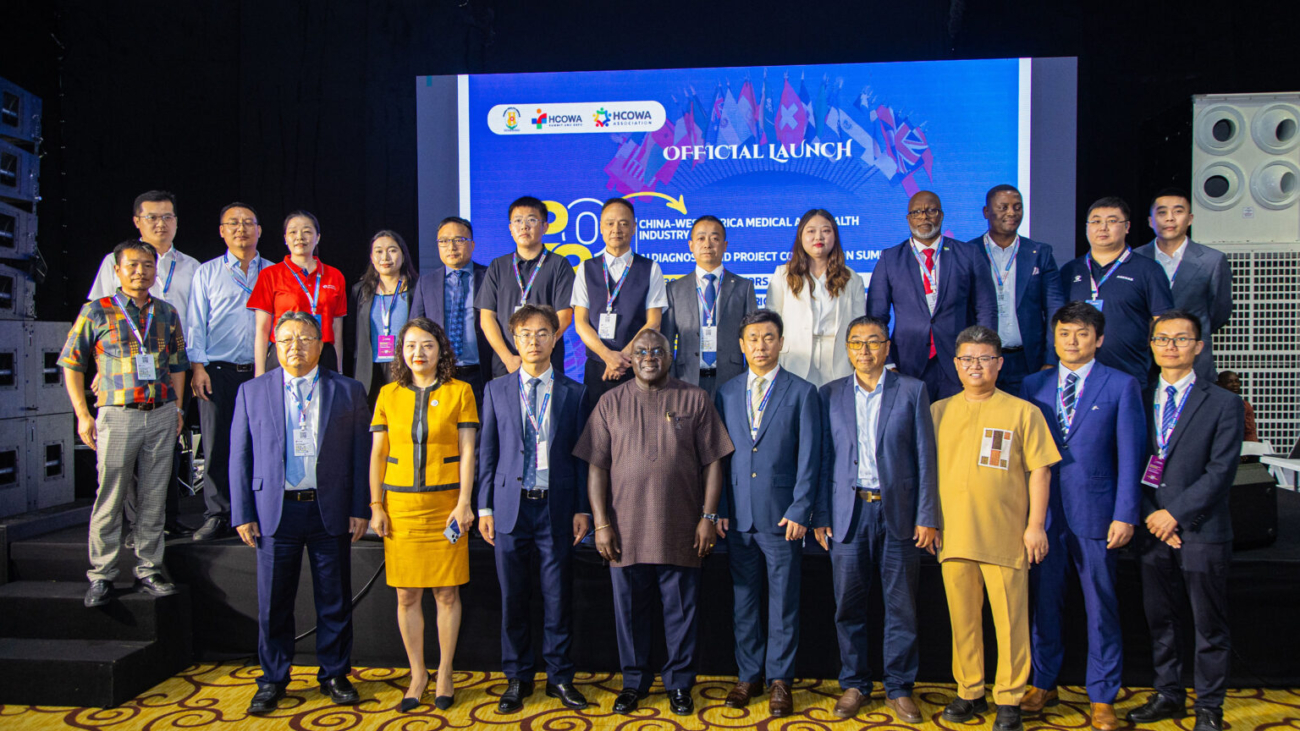
The city of Accra has become the epicenter of innovation in healthcare as the 2025 China–West Africa Medical & Health Industry Expo and AI Diagnosis & Project Cooperation Summit officially commenced with a grand opening at the Accra International Conference Centre (AICC).

Organized by the Health Community of West Africa (HCOWA) Association, the three-day event, popularly known as the HCOWA Medical Expo, runs from August 20th to 22nd, 2025, and is expected to draw thousands of participants, including medical professionals, policymakers, investors, and innovators.

The Expo was preceded by a prestigious welcome dinner, setting the tone for collaboration and dialogue. Among the dignitaries present were the Chief of Staff, Honorable Julius Debrah, Mr. Tang Hong, and the Deputy Director General of the Ghana Health Service, alongside senior officials from Togo’s Ministry of Health, the President of HCOWA, and over Five-hundred Chinese medical manufacturers.

The dinner highlighted the spirit of friendship and mutual respect that underpins this cooperation, serving as a bridge between policy discussions and industry engagement

This year’s Expo is one of the largest of its kind, bringing together:

  • Over 500 Chinese exhibitors;
  • Representatives from 500+ hospitals and clinics across West Africa;
  • More than 1,500 merchants and industry stakeholders;
  • With an estimated 20,000 visitors expected during the three-day program.

Participants are exploring cutting-edge technologies, from AI-powered diagnostic platforms and next-generation medical imaging systems to advanced surgical tools and hospital management software.

Delivering the keynote address, Chief of Staff Hon. Julius Debrah reaffirmed the government’s commitment to partnering with HCOWA and its international collaborators.

He emphasized that healthcare remains central to Ghana’s development agenda:

“Our vision is to ensure that Ghana and West Africa are not left behind. This partnership allows us to harness global expertise to make healthcare more accessible and more innovative for our people.”

He also underlined that the Expo aligns with government’s ambition of positioning Ghana as a medical hub in the subregion, leveraging innovation to strengthen healthcare delivery and improve doctor-to-patient ratios.

Speaking to journalists, Prince Opoku Dogbey, Vice President of HCOWA Association, highlighted the transformative nature of the initiative:

“This is not just an exhibition; it is a bridge. We are connecting West Africa and China in healthcare, introducing artificial intelligence in diagnostics, medical imaging, and supply chain management to address critical gaps in our systems.”

He revealed that discussions have already begun on establishing factories in Ghana for the local production of medicines, reagents, and medical equipment:

“About 300 manufacturers from China are preparing to set up plants here in Ghana. This means jobs, industrial growth, and reduced dependence on imports. We are working closely with the Ministry of Trade and Industry to make this a reality.”

 Academic and Professional Forums

A major highlight of the Expo has been the launch of four distinct medical forums, starting from Day One. These forums brought together medical professionals, researchers, and doctors from across the West African subregion, alongside Chinese manufacturers and experts. The forums provided platforms for in-depth dialogue, innovation, and knowledge exchange in key fields of healthcare, namely:

  • Oncology
  • AI & Traditional Medicine
  • Nephrology
  • Ophthalmology

Far from being simple academic sessions, these forums have served as platforms for innovation, policy dialogue, and technology showcase, delivering impactful insights that will guide both medical practice and future research in the region.

Beyond exhibitions and forums, the summit sessions are focusing on:

  • Policy frameworks for medical innovation;
  • Public-private partnerships in healthcare;
  • Opportunities for investment in West Africa’s health industry;
  • The role of AI in accelerating diagnosis and improving patient care.

Health experts argue that this Expo could mark a turning point for Ghana’s healthcare system, particularly at a time when local pharmaceutical production remains limited and hospitals are struggling under heavy patient loads.

By creating a platform for knowledge exchange, investment, and project cooperation, the Expo is expected to accelerate the adoption of AI-driven solutions, expand local production of medical supplies, and strengthen healthcare delivery across the subregion.

The event will officially conclude with a closing dinner at La Palm Royal Hotel, offering participants the opportunity to reflect on achievements, celebrate partnerships, and lay the groundwork for long-term cooperation between West Africa and China.
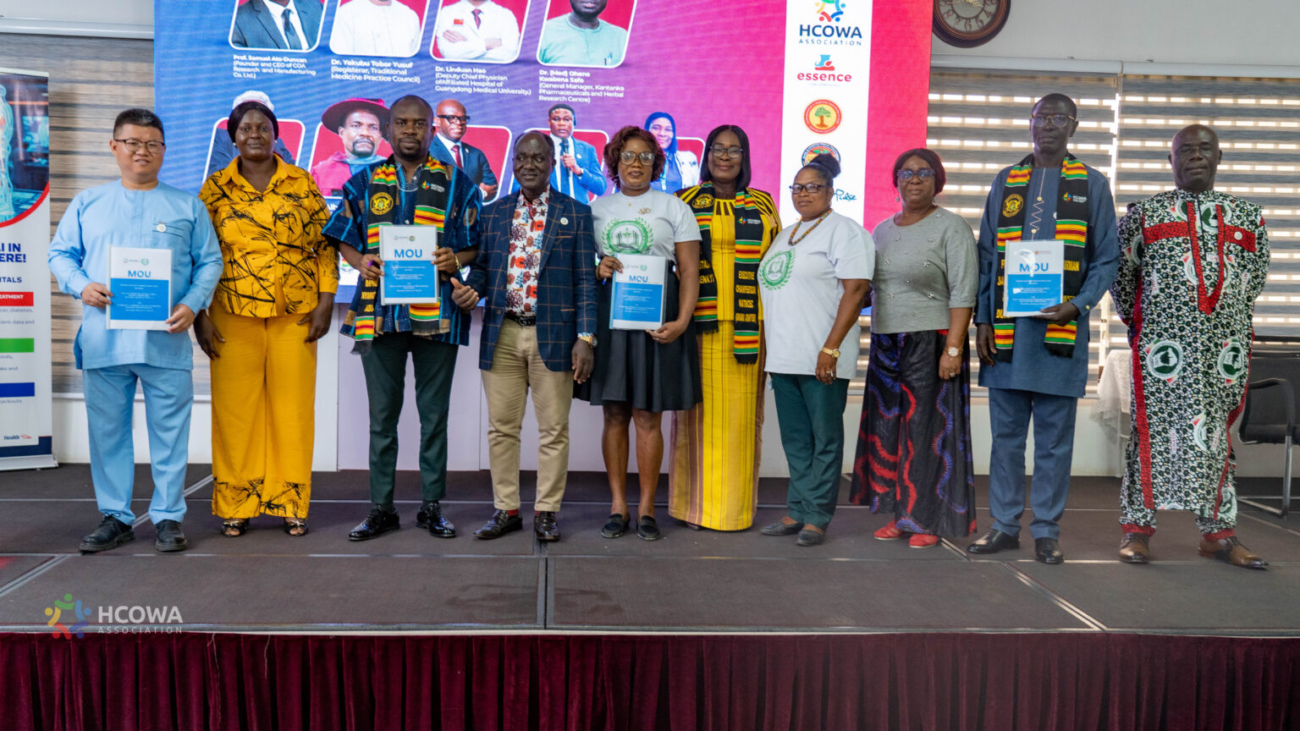
GRP-MOU-1536x864

HCOWAA Forges Key Alliances to Boost Herbal and Alternative Medicine in West Africa

The Health Community of West Africa Association (HCOWAA) has secured strategic partnerships with three leading Ghanaian institutions in the traditional and alternative medicine field. These collaborations aim to enhance research, policy development, and innovation, integrating herbal medicine towards advancing healthcare. 

The newly signed Memorandums of Understanding (MoU’s) establish cooperation between HCOWAA and the Nyarkotey University College of Holistic Medicine and Technology, the Ghana Federation of Traditional Medicine Practitioners’ Associations (GHAFTRAM), and the Ghana Alternative Medical Practitioners Association (GAMPA). Together, they will work to merge traditional healing practices with modern scientific methods and digital health technologies. 

Key Focus Areas of the Partnerships

HCOWAA and Nyarkotey University will jointly advance herbal medicine research, curriculum development and academic exchanges. The partnership will also explore synergies between Traditional Chinese Medicine and indigenous African practices. Additionally, the university will host certified master classes and workshops, including programs supported by the 14th Chinese Medical Team in Ghana. 

The alliance with GHAFTRAM will prioritize pharmaceutical research, clinical trials, and product development. The two organizations will co-host major events such as the China-West Africa Expo and the HCOWAA Medical and Health Industry Investment Summit. A key outcome is the established West African Traditional Medicine Cooperation and Exchange Centre, promoting regional collaboration and innovation. 

 HCOWAA and GAMPA will collaborate on developing scientifically validated herbal treatments, conducting training programs, and raising public awareness about alternative medicine. GAMPA will leverage its extensive network to support health education initiatives and contribute to HCOWAA’s media platforms, including the widely circulated Health Pulse magazine. 

 A notable aspect of these agreements is the incorporation of artificial intelligence (AI) and smart diagnostics into herbal medicine. By introducing AI-powered clinical tools and digital health systems, the partnerships seek to modernize traditional healthcare, bridging ancestral wisdom with contemporary medical technology. 

These alliances underscore HCOWAA’s commitment to strengthening healthcare systems, fostering innovation, and promoting cultural integration across the region. The MoU’s are designed to remain in effect indefinitely, with provisions for periodic review and adjustments as needed. 

The outcomes of these partnerships will be highlighted at upcoming regional summits, expos and publications—ushering in a new era of integrated, evidence-based, and tech-driven traditional medicine in West Africa. This initiative marks a pivotal shift in regional healthcare policy, uniting academic, clinical, and community expertise to create a more inclusive and advanced future for alternative medicine in Africa.

3344

Ghana and China Join Forces to Transform Healthcare Education and Digital Health

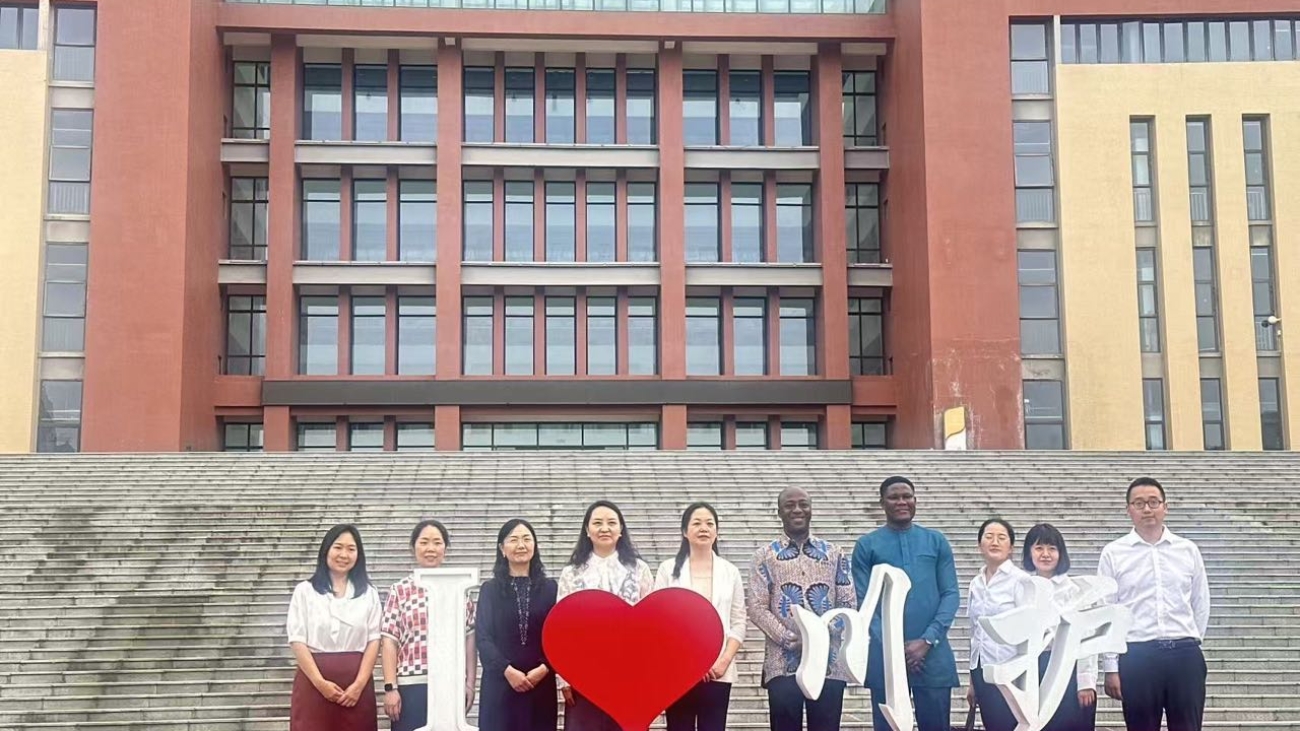
Representatives from the Health Community of West Africa Association (HCOWAA) and the Ghana Health Service (GHS) visited the Sichuan Vocational College of Health and Rehabilitation in Zigong City, China, on June 9th, 2025 to discuss academic collaboration and strengthen bilateral ties in healthcare education and training.

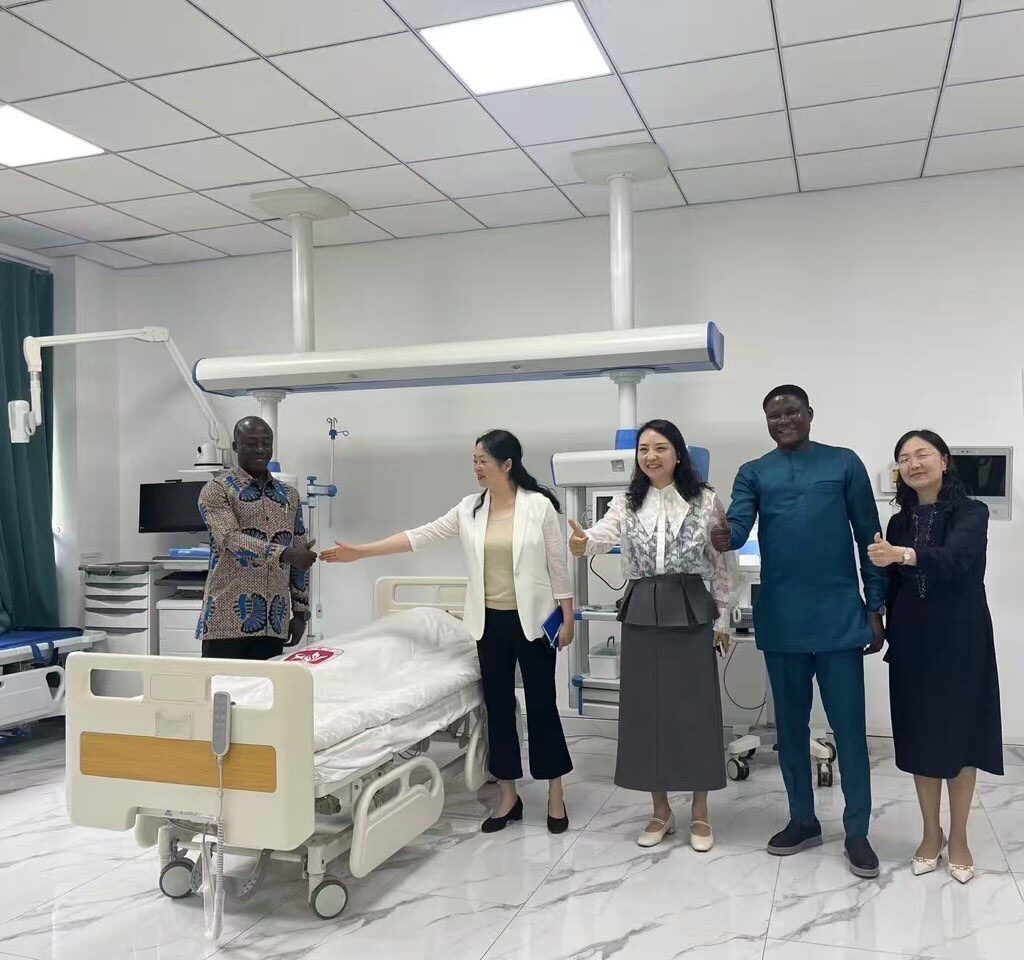
The tour, which highlights Ghana and China’s increasing medical partnership, intended to promote student and faculty exchanges, collaborative research efforts, and the sharing of best practices in nursing and healthcare education.  The Ghanaian delegation toured the college’s cutting-edge facilities, which included a smart elderly care training base, a traditional Chinese medicine (TCM) culture popularization center, and sports rehabilitation training facilities. All of these facilities were praised for integrating industry and education.

During discussions from the launch of the HCOWAA Academic and Exchange Committee which occurred on Monday, 12th May, 2025, both sides emphasized the importance of cross-border knowledge exchange in addressing healthcare challenges in West Africa. Dr. Lawrence Ofori-Boadu, Director of the Institutional Care Division of GHS, highlighted Ghana’s commitment to digital healthcare transformation and expressed interest in adopting China’s advancements in telemedicine, AI-assisted diagnostics, and nursing education models.

The Sichuan Vocational College of Health and Rehabilitation, with its century-long history in medical education, has been a pioneer in nursing and rehabilitation training, boasting a 92% employer satisfaction rate among its graduates.

The college’s leadership, including Vice-President Li Qin, welcomed the opportunity to collaborate with Ghanaian institutions in areas such as maternal healthcare training, a field where China has previously supported Ghana through programs like the 2015 Chengdu-based maternal health training for Ghanaian professionals. 

This visit builds on existing Sino-Ghanaian healthcare collaborations, including North Sichuan Medical College’s training programs for Ghanaian medical students and the newly launched HCOWAA Medical & Academic Exchange Committee, which seeks to integrate Chinese medical expertise with Ghana’s healthcare system.

“This collaboration is not just about sharing knowledge—it’s about building a sustainable future for healthcare in Ghana through innovation and mutual learning,” said Mr. Prince Opoku Dogbey, the vice president of HCOWAA (Ghana), who represented HCOWA Association during the visit.

640-_1_

HCOWAA and GHS Explore Medical Tech Partnerships in China.

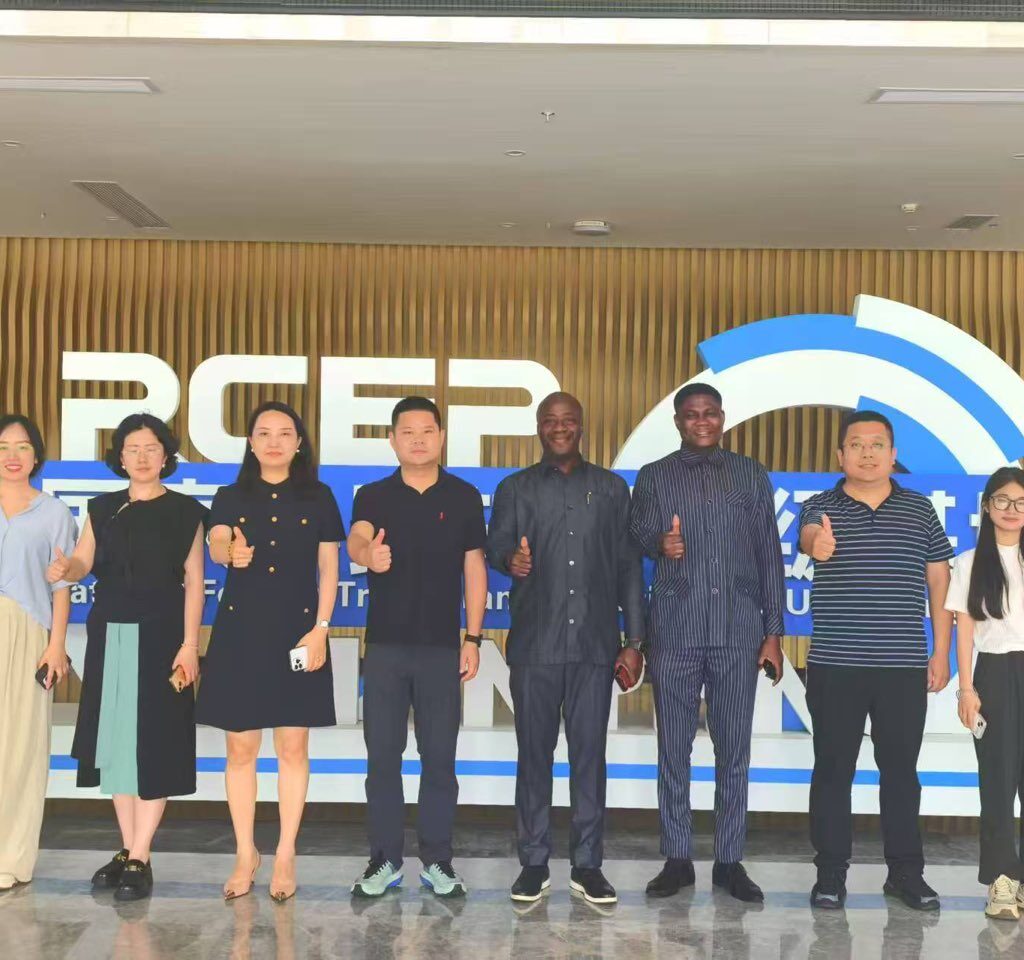
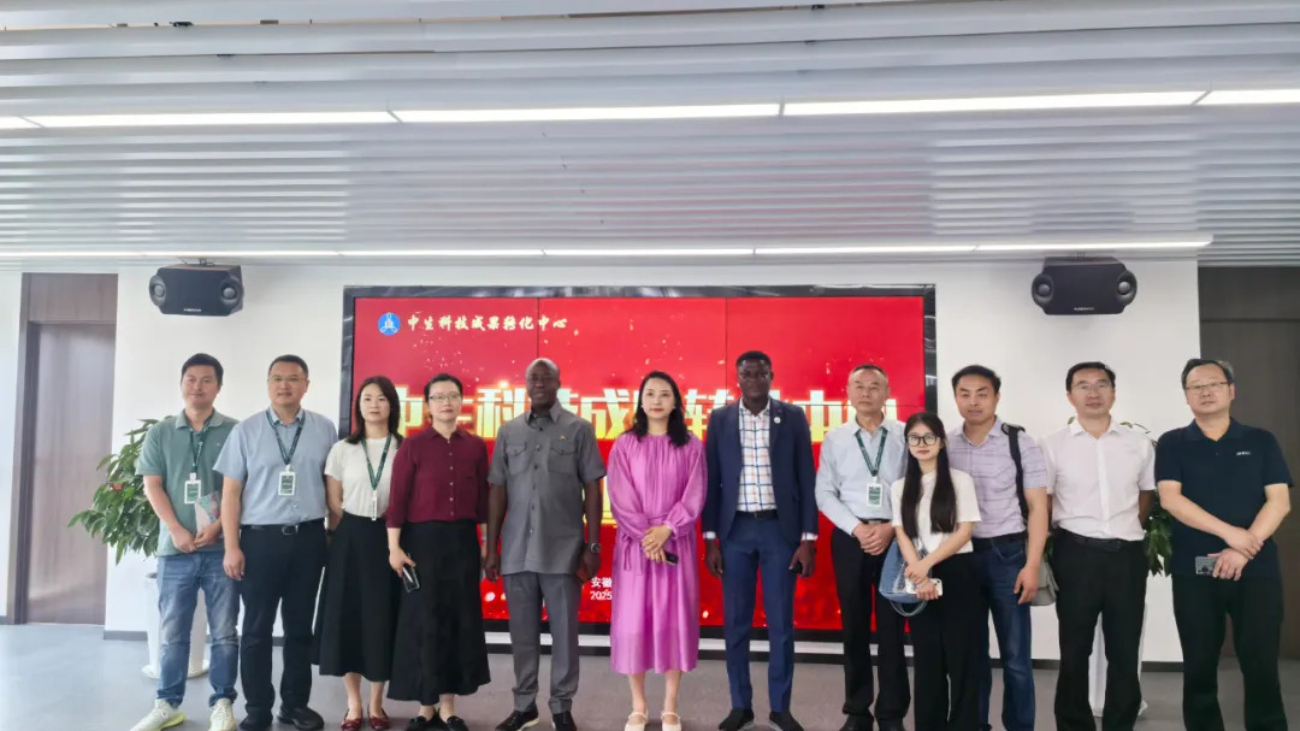
On June 6, 2025, an important visit to Hefei focused on strengthening links between West African health authorities and Chinese medical technology developers.  A high-level delegation, comprising officials of the Ghana Health Service (GHS) and the Health Community of West Africa Association (HCOWAA), examined major facilities at the Sino-Life Science and Technology Achievement Transformation Centre.

Led by the HCOWAA President Jiang Sihong and Gaetan Charles Adangabey, Deputy Director General of the GHS, the delegation engaged in substantive discussions with representatives from the Big Health Research Institute of the Hefei National Comprehensive Science Center. The visit provided a platform for mutual learning and exploring potential partnerships.

A key focus was Sinopharm’s advanced medical technologies. Following a tour, the Deputy Director General Adangabey expressed strong appreciation, particularly for Sinopharm’s flow cytometer products, highlighting their technical strength and potential solutions for healthcare needs.

“There will be great opportunities for cooperation and exchange in the future,” he stated.                 The dialogue offered valuable insights into West African market demands and established crucial communication channels linking Chinese research, innovation, and industry with the region’s development goals.

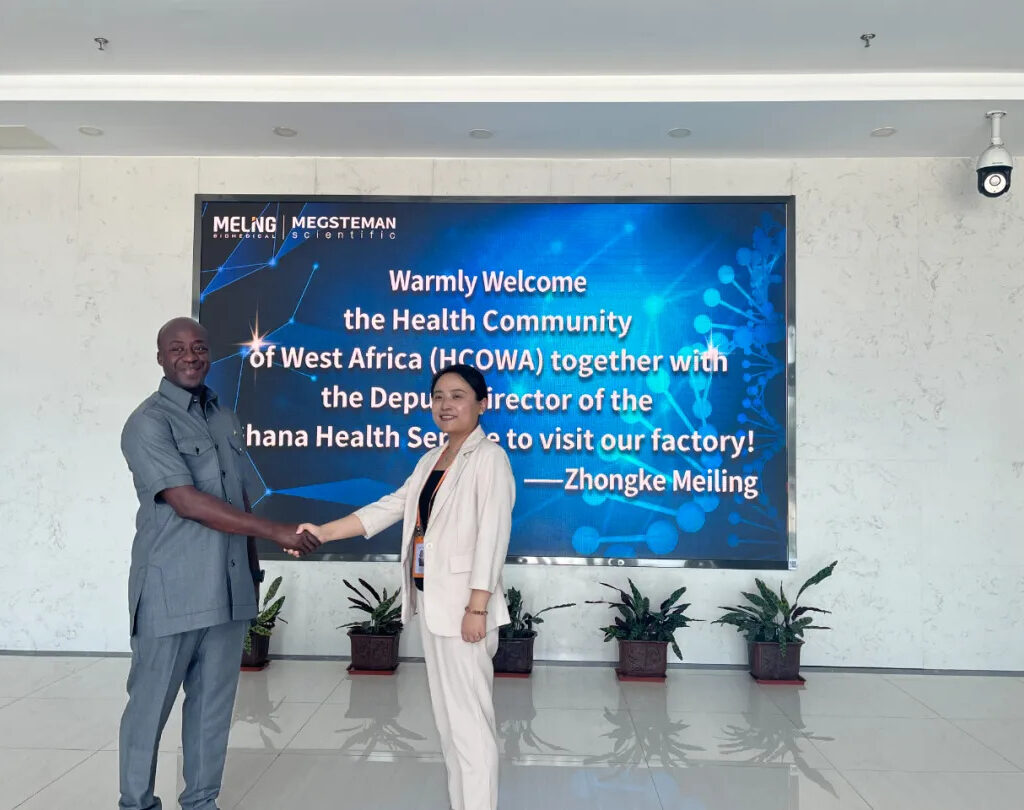
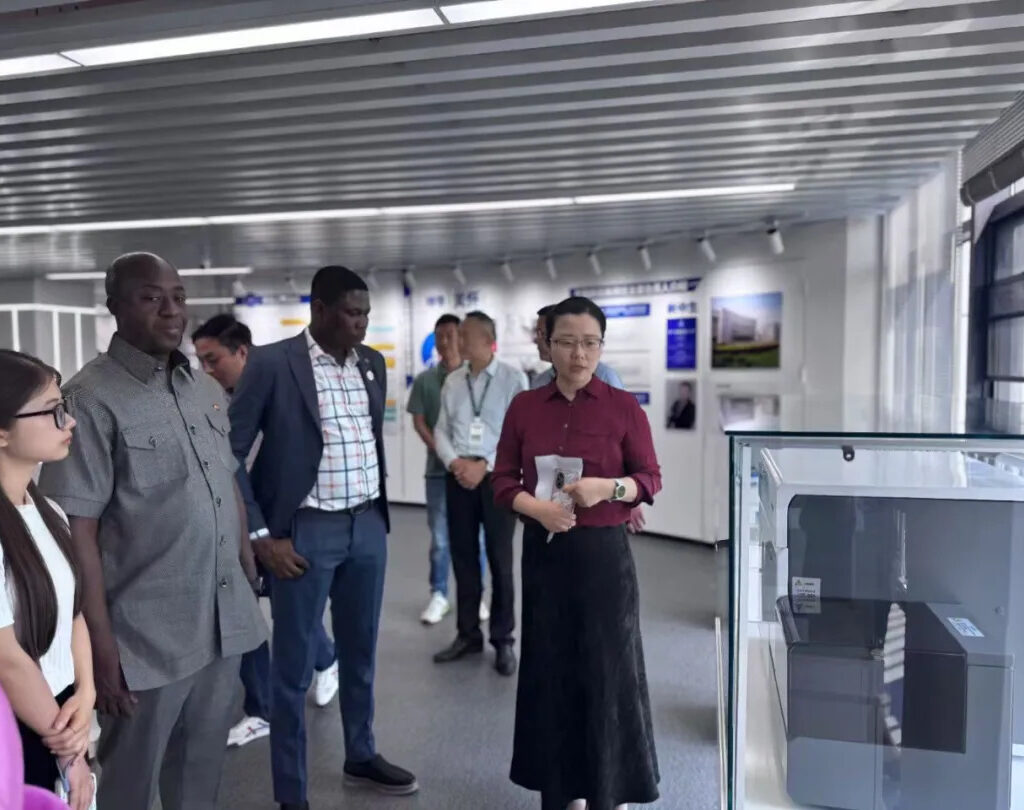
The delegation’s itinerary also included Zhongke Meiling Cryogenic Technology Co., Ltd., a national high-tech enterprise specializing in life science, smart cold chain, and family health solutions. Located in the Hefei Economic Development Zone, Zhongke Meiling presented its technological advancements and engaged in in-depth talks regarding future cooperation possibilities in the West African market.

The visit is seen as a promising step towards expanding collaboration. Observers believe it could pave the way for Anhui province, and the broader Yangtze River Delta region’s thriving health industry, to make significant inroads into Africa, particularly the high-potential West African region.

Confirming this momentum, Zhongke Meiling announced its participation in the upcoming “2025 China-West Africa Healthcare Industry Expo and AI Medical Deployment & Project Cooperation Summit,” scheduled for 20th -22nd August, 2025 in Accra, Ghana. The company expressed eagerness to forge a deeper strategic partnership with HCOWA, aiming to jointly foster innovation and growth within the healthcare sector across West Africa.

_MG_8639

GHS Director-General Joins HCOWA Board as Ambassador for AI and Healthcare Innovation

The Director-General of the Ghana Health Service (GHS), Professor Samuel Kaba Akoriyea, has officially confirmed his appointment as the Ambassador for Artificial Intelligence and Healthcare Innovation on the Board of the Health Community of West Africa (HCOWA) Association.

This strategic role positions him to lead efforts in promoting technological advancement and innovation across healthcare systems in West Africa, with a focus on digital transformation, artificial intelligence, and cross-sector collaboration.

In a formal acceptance letter addressed to the leadership of HCOWA and received on Wednesday, April 16, 2025, Professor Kaba conveyed his profound appreciation for the appointment and reaffirmed Ghana’s unwavering commitment to advancing digital transformation in the healthcare sector.

According to him, the call to serve as an Ambassador for Artificial Intelligence and Healthcare Innovation at HCOWA is a timely and welcoming one. “Ghana cannot afford to be left behind in the technological evolution transforming global healthcare,” he emphasized.

He added, “As a country with a strong foundation in medical excellence and innovation, this role presents an opportunity to position Ghana at the forefront of AI-driven healthcare in the sub-region.”

He further emphasized that Africa, particularly the West African sub-region, stands to gain immensely from the adoption of artificial intelligence in healthcare, as it has the transformative potential to address long-standing challenges such as diagnostic accuracy, disease surveillance, and hospital management.

According to him, the integration of AI presents practical and scalable solutions that can significantly strengthen healthcare systems across the region, and he expressed confidence that the partnership with HCOWA offers a strategic platform to drive such innovations and position West Africa as a leader in AI-driven healthcare advancements.

Professor Kaba added that the Ghana Health Service is ready to provide leadership, knowledge, and institutional support for the successful implementation of these initiatives. “This appointment is not just about representation. It is about building strategic frameworks that ensure real impact on the ground, and I am fully committed to that,” he added.

During the initial meeting with the Director-General before the confirmation, the President of HCOWA Association, Sihong Jiang, explained that the Association is poised to transform Ghana’s healthcare sector through Artificial Intelligence and would fully roll out its partnership.

She emphasized that while her plans are ambitious, they will require the collective effort of the local community, and one of the key institutions in this endeavor is the Ghana Health Service.

Strengthening AI-Driven Healthcare in West Africa

Professor Kaba’s appointment comes at a time when the West African sub-region is intensifying efforts to embrace Artificial Intelligence as a critical tool in improving healthcare delivery, efficiency, and accessibility. His new role as Ambassador places him at the center of this regional transformation, where he is expected to provide high-level strategic guidance and advocacy in AI integration.

As part of his ambassadorial responsibilities, he will work closely with public and private institutions to promote the adoption of AI-powered solutions in healthcare systems. His focus will be on improving patient care through AI-enhanced diagnostics, hospital management systems, and digital public health interventions. He will also help build partnerships between public health institutions and AI-driven medical enterprises, while strengthening Ghana’s position as a leader in healthcare innovation on the continent.

Professor Kaba will serve as a key representative of HCOWA at major international events, including the 2025 China-West Africa Medical and Health Industry Expo, where he will promote AI applications in areas such as disease surveillance, imaging technology, and traditional medicine.

Prof. Kaba Confirms Partnership to Co-Host the 2025 China-West Africa Medical Expo

In addition to confirming his role on the HCOWA Board, Professor Kaba announced that the Ghana Health Service will serve as co-host of the 2025 China-West Africa Medical and Health Industry Expo and National Centralized Procurement and Project Cooperation Summit.

The summit, a flagship initiative of HCOWA, will bring together leading Chinese medical enterprises, West African health stakeholders, and policymakers to forge new partnerships in healthcare investment and innovation.

 According to him, the Ghana Health Service welcomes the opportunity to partner with HCOWA in co-hosting the upcoming 2025 China-West Africa Medical and Health Industry Expo and National Centralized Procurement and Project Cooperation Summit.

The 2025 Expo will feature a dedicated summit on Artificial Intelligence in healthcare, alongside strategic discussions on centralized procurement and project cooperationThe event will explore the integration of AI departments in healthcare facilities, AI-powered medical imaging, AI-driven traditional Chinese medicine, AI-powered national disease control systems utilizing big data, and the AI-enhanced medical supply chain. Professor Kaba’s leadership is expected to guide the discussions and contribute significantly to shaping policy outcomes and regional partnerships.

He emphasized that the participation of the Ghana Health Service will ensure that the country’s experiences, standards, and innovations are shared with the broader West African region. “Given the Ghana Health Service’s pivotal role in shaping national healthcare policy and implementation, we are eager to partner with HCOWA to co-host this important event,” he stated.

Profile of Professor Samuel Kaba Akoriyea

Professor Samuel Kaba Akoriyea is a seasoned neurosurgeon, public health physician, and academic with over 26 years of experience in Ghana’s healthcare system. He is best known for his leadership in health systems development, innovation, and emergency response. His career spans several high-level roles including Director of the Institutional Care Division of GHS, Deputy Director of the National Ambulance Service, and currently, Director of Special Duties. He led the successful separation of conjoined twins in Ghana and introduced virtual reality and telemedicine applications in neurosurgery, positioning Ghana as a pioneer in these medical technologies in Africa.

Beyond clinical practice, Professor Kaba is an influential figure in health governance and diplomacy. His work in strategic planning, health systems strengthening, and digital innovation has earned him both national and international recognition. As a professor and advocate for social development, he has contributed significantly to the fields of health and education, championing progressive public health policies and research.

Commitment to Regional Growth

In concluding his statement, Professor Kaba assured the HCOWA Association of the Ghana Health Service’s unwavering support and dedication to regional progress in healthcare. He noted that the Service remains committed to driving impactful change and fostering innovation across the sub-region.

“HCOWA Association should be assured of the Service’s support and commitment to regional growth in the medical sector as well as to driving impactful change across the sub-region,” he stated.

His appointment is widely viewed as a major step toward advancing the role of innovation in healthcare and ensuring West Africa remains at the forefront of technological adoption in the health sector. With Professor Kaba on board, HCOWA is poised to deepen collaboration, foster innovation, and deliver stronger healthcare systems across West Africa.

seminar-04-1536x892

HCOWAA Hosts its 5th Seminar on AI-Driven Innovations in Chinese and Herbal Medicine.

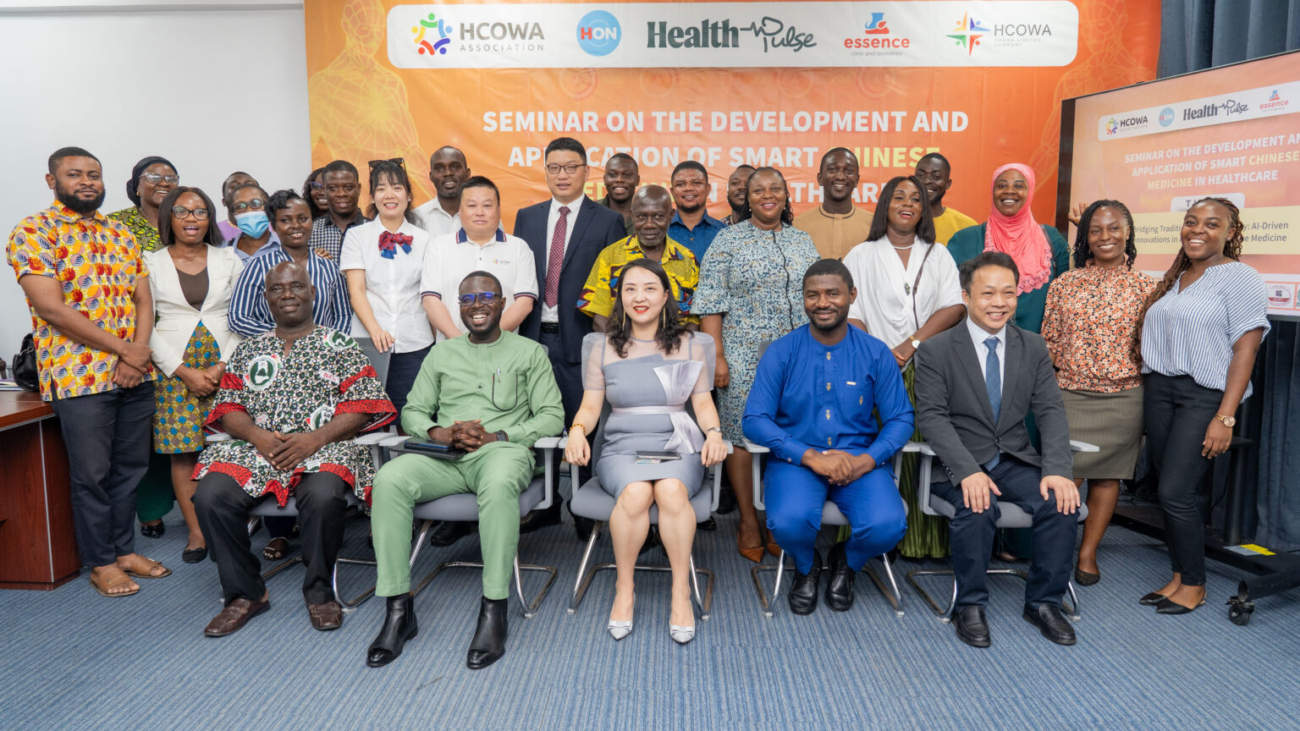
Technology is transforming every aspect of human life; healthcare is no exception. The Health Community of West Africa (HCOWA) Association of Ghana took a bold step forward by hosting its 5th seminar on the development and application of Smart Chinese Medicine in healthcare. Held on April 4th, 2025, at the HCOWA headquarters, La Trade Fair, this event brought together leading herbal medical practitioners from China and Ghana.

Under the theme, “Bridging Tradition and Technology: AI-Driven Innovations in Africa and Chinese Medicine,” the seminar explored how artificial intelligence can revolutionize the development, application, and regulation of herbal medicine. The event featured prominent voices in the field, including Dr. Yakubu Tubor Yusuf, Okogye Abibiduro Nana Kwadwo Obiri, Dr. (Med) Ohene Kwabena Safo, Dr. MH. Sandra Ashong, and renowned Chinese AI-TCM experts.

Key Discussions and Insights.

Among the guest speakers was Doctor Yusuf Yakubu, the Registrar for the Traditional Medicine Practice Council (TMPC) Ghana. He’s a proud graduate of Kwame Nkrumah University of Science and Technology (KNUST) who earned his Bachelor of Herbal Medicine in 2014. He further deepened his expertise at the Centre for Plant Medicine Research in Mampong from 2015 to 2017 and through clinical training at Tetteh Quarshie Hospital. His unique knowledge of both traditional and modern practices positions him as a strong advocate for the regulation and standardization of herbal medicine.

In his speech, Dr. Yusuf highlighted the significance of traditional healing practices in Africa and China, emphasizing their comprehensive frameworks of knowledge refined over generations. He noted that artificial intelligence can amplify this ancestral wisdom and acknowledges the crucial role traditional medicine has played in global healthcare, inspiring modern pharmaceuticals and continuing to revolutionize the field.

Adding further insights was the President of the Ghana Association of Medical Herbalists, Dr. MH Sandra Ashong. She is a renowned herbal and medical practitioner with a decade and a half of experience in diverse technical know-how in traditional and alternative medicine, especially medical herbalism. She is currently the head of the Complementary and Alternative Medicine unit at the Lekma Hospital, having studied herbal medicine at the Kwame Nkrumah University of Science and Technology. She also has an MBA in Health Service Management.

“The herbal medicine industry is made up of regulation, research, clinical medicine practice, manufacturing, cultivation and education, which are striving to enhance their progress to meet the demands and expectations of their customers, utilizing various methodologies. The herbal medicine industry is a critical field that plays a vital role in saving lives. It should now operate based on continuous innovation and the adoption of new technologies to address healthcare issues and its challenges.” Dr. Ashong said.

She further explained how artificial intelligence (AI) technologies have now been explored in all fields and disciplines of herbal medicine by herbal medicine experts, including medical herbalists in recent years.

In addition to the above, the General Secretary of the Ghana Federation of Traditional Medicine Practitioners Association (GHAFTRAM), Mr. Okogye Abibiduro Nana Kwadwo Obiri, a distinguished traditional medicine practitioner and director of the Obiri Herbal Research Centre located at New Weija, Ghana, with over three decades of experience since 1989, also gave his speech.

He holds a traditional practitioner’s license from the Traditional Medicine Practice Council (TMPC) of Ghana, granted in 2009. His educational background includes a certificate in Basic Science in Herbal Medicine Production from Kwame Nkrumah University of Science and Technology (KNUST)—WHO Training for Traditional Medicine Practitioners (2012).

During his speech, he concluded by saying that “the future of traditional medicine in Africa is bright, and AI is the key to unlocking its full potential. By leveraging AI, we can modernize traditional medicine, enhance its credibility, and expand its reach to benefit millions. GHAFTRAM stands ready to champion this transformation, ensuring that traditional medicine continues to play a vital role in Africa’s healthcare system hence let us embrace innovation, foster collaboration, and work towards a future where AI and traditional medicine complement each other to create a healthier, more inclusive world.”

Next was Dr Ohene Kwabena Safo, a graduate of the University of Ghana Medical School, where he earned a Bachelor of Medicine and a Bachelor of Surgery degree. He is currently in specialist training with Ghana College for Physicians and Surgeons. He is a Quality Consultant, CEO of the OKS Group, the Vice President of the Private Health Facilities Association of Ghana (Greater Accra) and the General Manager for Kantanka Herbal Pharmaceuticals and Research Centre.

During his speech, He emphasized on the significant impact of technology on his practice, enabling him to effortlessly track patients’ medical records and swiftly identify potential risks. He also explored innovative solutions, such as utilizing drones for doorstep medicine delivery and introducing a cutting-edge ring device that allows him to supervise patients on managing their personal health records.

Additionally, he explained how AI is driving positive change in production and use of herbal medicine Stressing on the 3 Ps that is Practice, Production and Professionalism, he elaborated on the value of standardization and it how it can assist seamless merge of tradition and technology.

Fostering Collaboration and Future Integration.

The seminar concluded with interactive discussions and socialization where participants expressed strong interests in exploring and integrating AI in the development of herbal medicine.

A Memorandum of Understanding (MOU) was signed between the president of HCOWA, Sihong Jiang and two prominent Ghanaian herbal medicine institutions; Kantanka Herbal Pharmaceutical and Research Centre and The Ghana Association of Medical Herbalists.

This partnership aims to enhance the quality and efficacy of herbal products through collaborative research, development, and commercialization. By combining their expertise, they can improve the healthcare sector in Ghana, marking a significant milestone in promoting traditional medicine in Ghana.

The Health Community of West Africa Association remains at the forefront of innovative healthcare solutions, championing the integration of herbal medicines to enhance medical outcomes and address regional health challenges.

AI-1-1536x576-1-e1740358298833-1036x456

Ghana Health Service Backs HCOWA’s AI Initiative for Healthcare Transformation

The Director-General of the Ghana Health Service (GHS), Professor Samuel Kaba Akoriyea, has commended the Health Community of West Africa (HCOWA) Association for its groundbreaking efforts in championing the integration of Artificial Intelligence (AI) into Ghana’s healthcare system.

 “Your bold mission and key involvement in launching the HCOWA AI Treatment Project is one that the Ghana Health Service values greatly. AI is transforming the global healthcare landscape, and Ghana must not be left behind,” he stated.

Professor Samuel Kaba Akoriyea 

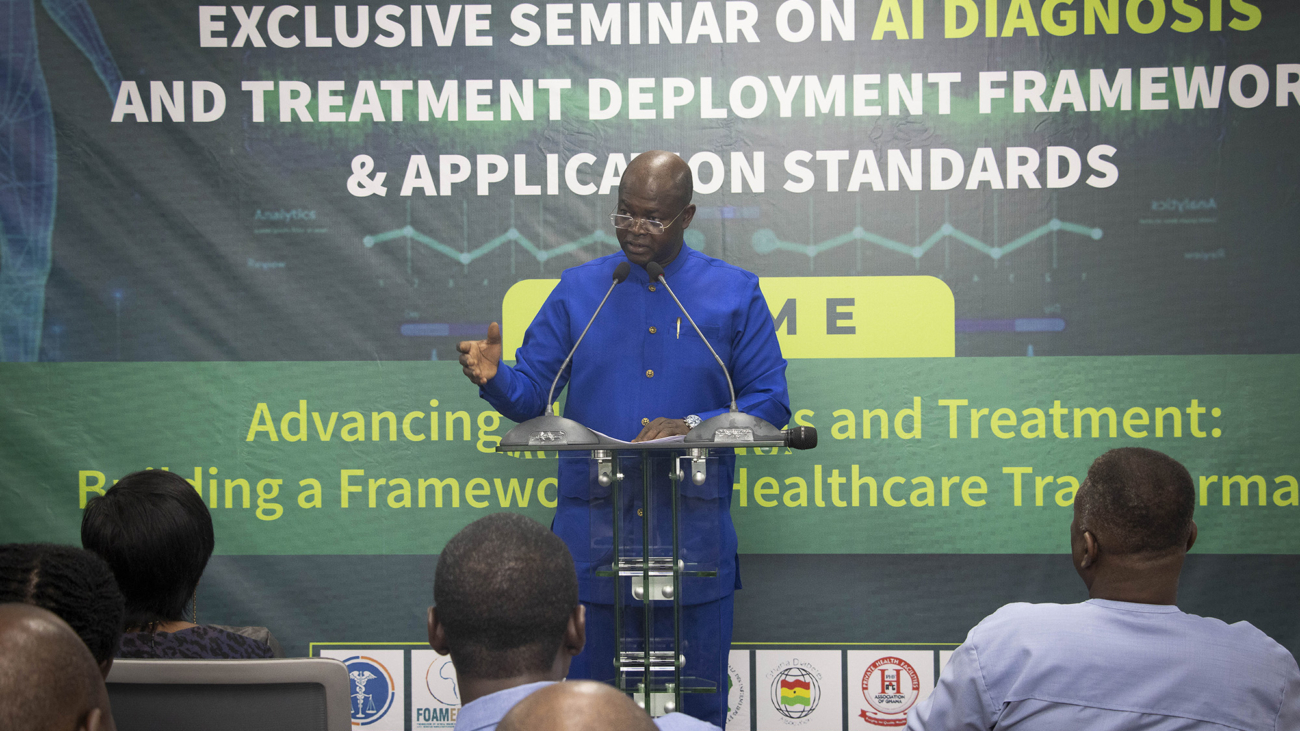
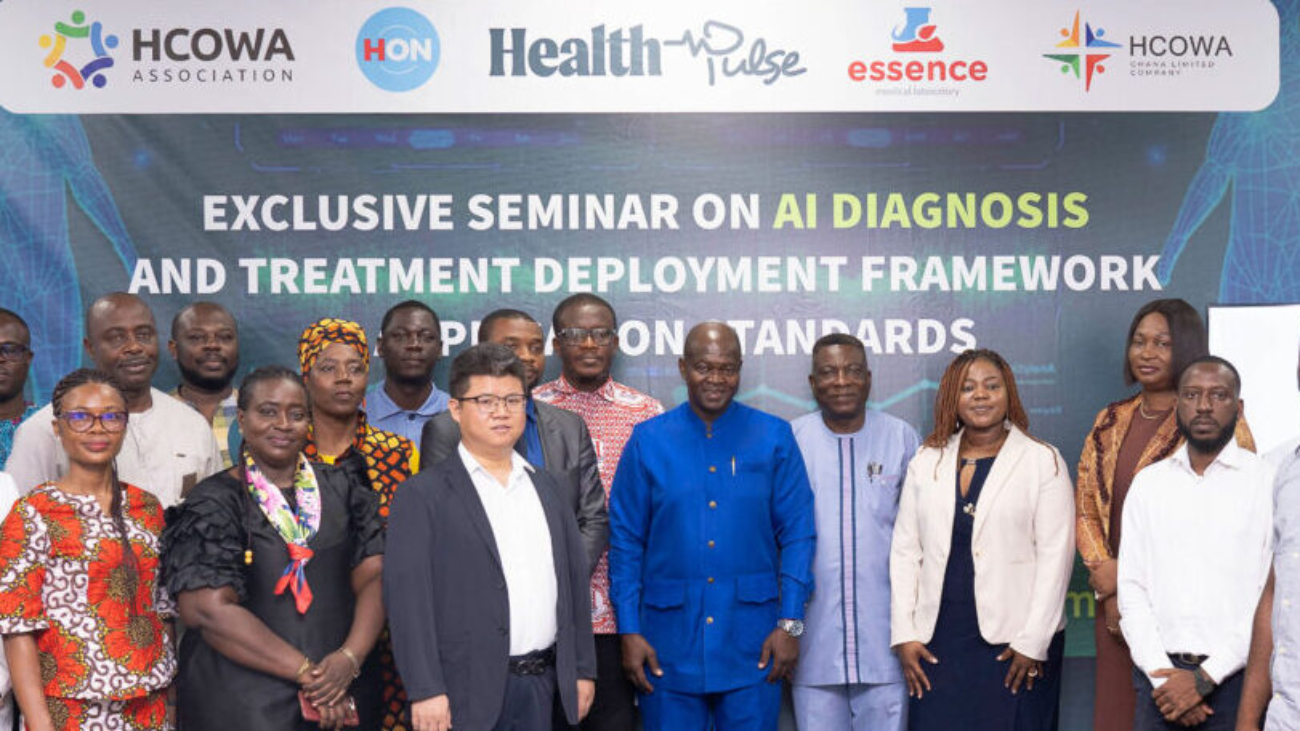
He made these remarks while speaking at the seminar on AI Diagnosis and Treatment Deployment Framework and Application Standards, held in Accra under the theme “Advancing AI Diagnosis and Treatment: Building a Framework for Healthcare Transformation.”

Professor Akoriyea outlined three transformative AI-driven strategies that HCOWA aims to implement within the healthcare sector.

“The first, he explained, is the establishment of AI departments in hospitals, where AI-integrated systems will assist medical professionals in making more accurate diagnoses, reducing human error, and improving efficiency.

“The second is leveraging AI and big data analytics to enhance national disease control, allowing health authorities to track disease patterns, predict outbreaks, and strengthen public health responses.

“The third is the development of an AI-powered medical supply chain system to streamline hospital logistics, ensuring that essential medicines and medical equipment remain in steady supply,” the Director-General said.

“These three pillars of AI integration will work together to enhance Ghana’s healthcare system, improve patient outcomes, and ensure that we stay ahead with faster diagnostic systems, better treatment options, and efficient medical supply management,” he further explained.

However, he also cautioned that while AI presents immense opportunities, its deployment must be handled with care.

“Ghana Health Service is designated as a Critical Information Infrastructure (CII), meaning that disruptions, vulnerabilities, or breaches in our health systems can have severe consequences on national security. While AI offers immense benefits in diagnostics and treatment deployment, it also introduces risks to data privacy, cybersecurity, and ethical use,” he warned.

He assured participants that GHS is taking proactive measures to ensure that AI adoption in healthcare aligns with the Digital Health Strategy (2023-2027) and the Information Security Policy (ISP) 2025, which emphasize strict security, privacy, and ethical considerations.

The seminar saw the participation of healthcare professionals, policymakers, and AI experts from across Ghana and beyond. Delegates from China’s cities of Changsha and Chengdu joined the discussion, along with medical experts from Togo. The event provided a platform for knowledge-sharing on AI’s potential to revolutionize healthcare, with experts demonstrating how AI can enhance diagnostic accuracy and patient care.

A key highlight of the seminar was a presentation by MEDCONN Diagnostics, a company specializing in research and development, manufacturing, and sales of in-vitro diagnostic products. The presentation shed light on the latest innovations in AI-powered diagnostics, showcasing how these technologies can enhance medical imaging and streamline disease detection.

Dr. Marion Okoh-Owusu, Director of the Family Health Division at GHS, also stressed the need for AI in maternal and child healthcare, explaining that AI-powered systems could improve early detection of complications, leading to faster interventions and better survival rates. “Child and maternal health must be at the center of AI adoption in Ghana. We need technologies that enhance early diagnosis, predict complications, and help reduce mortality rates,” she noted.

Adding to the discussion, the President of the Private Health Facilities Association of Ghana, Dr. Kwame Buabeng-Frimpong, emphasized that private hospitals are eager to embrace AI-driven solutions. “There is a growing demand among hospitals for AI departments to support faster diagnoses, improve reporting accuracy, and enhance patient outcomes. AI has the potential to transform our healthcare system, and we must act now rather than later,” he stated.

At the close of the seminar, HCOWA Association reaffirmed its commitment to partnering with the Ghana Health Service to push forward AI adoption in healthcare. The association emphasized that AI-driven innovation is key to transforming healthcare delivery not only in Ghana but across the entire West African sub-region.

“We are dedicated to championing this cause and ensuring that AI becomes an integral part of medical practice in our hospitals. This partnership with GHS will help accelerate the pace of healthcare transformation in Ghana and beyond,” Prince Dogbey, Deputy to the President of HCOWA Association, stated.

As AI continues to reshape the future of medicine worldwide, Ghana is taking proactive steps to integrate this technology responsibly, balancing innovation with security, ethics, and efficiency. The collaboration between GHS and HCOWA marks a significant milestone in the country’s journey toward a smarter, technology-driven healthcare system.

MG_7235-1170x456 (1)

HCOWA Hosts West African Stakeholders to Drive Healthcare Transformation with Artificial Intelligence

Stakeholders from across West Africa convened at the Tang Palace Hotel in Accra on January 17, 2025, for the 2025 West Africa AI Healthcare Conference and Summit to explore the integration of Artificial Intelligence in healthcare to ease the burden on senior professionals and medical staff.

The 2025 West Africa AI Healthcare Conference and Summit, themed “Promoting the Regional Integration of AI in Healthcare to Enhance Service Delivery,” brought together nearly 150 participants, including healthcare professionals, policymakers, and industry leaders from Ghana, Togo, Sierra Leone, Burkina Faso, Nigeria, Niger, Guinea Conakry, Senegal, Côte d’Ivoire, and Liberia.

The conference, organized by the Health Community of West Africa Association (HCOWAA) addressed the region’s persistent healthcare challenges, including shortages of medical professionals, limited access to diagnostic tools, and the growing burden of both communicable and non-communicable diseases.

Speaking at the conference, Sihong Jiang, President of HCOWAA, emphasized the urgency of leveraging AI to improve healthcare delivery across West Africa.

Sihong Jiang, President of HCOWA Association delivering an insightful speech

“AI offers a unique opportunity to bridge gaps in healthcare systems by addressing resource shortages, enhancing efficiency, and delivering personalized care at scale,” she said. Jiang highlighted that AI systems proposed by HCOWAA are 99.9% accurate, making them a reliable tool for tackling pressing healthcare issues.

Jiang also outlined a roadmap for integrating AI into the region’s healthcare systems, including establishing AI treatment departments in hospitals, creating a National Disease Control Center to track and manage outbreaks, and deploying an AI-powered medical supply chain system to prevent stockouts and improve efficiency.

“First, we are planning to initiate AI Treatment Departments in hospitals together with our partners. These departments aim to utilize advanced AI systems to enhance healthcare delivery by supporting the diagnosis of diseases and managing minor illnesses more efficiently, addressing workforce shortages in the process.

“Second, through the AI system, we can control and monitor specific diseases regionally, enabling better management and treatment of similar conditions. By utilizing a National Disease Control System powered by big data, health data from hospitals, clinics, and laboratories can be centralized for real-time tracking.

“Third, the introduction of an AI Medical Supply Chain System will transform how medical supplies, reagents, and equipment are managed. This innovative system will monitor inventory levels in real time, ensuring hospitals avoid stockouts, especially during emergencies,” she explained.

The event featured remarks from key stakeholders, including the President of the Ghana Medical Association (GMA), Dr. Frank Serebour, who described AI as the future of healthcare. He urged regulatory bodies like the Health Facilities Regulatory Agency (HeFRA) to ensure that AI systems introduced in the region are properly licensed and meet professional standards.

He stated that integrating AI into Ghana’s healthcare system could significantly reduce mortality rates, ensure better management of illnesses such as hypertension and diabetes, and enable faster and more accurate diagnoses. He called on the government and stakeholders to collaborate with HCOWAA to make the vision of AI-driven healthcare a reality in Ghana. He commended the initiative, urging HCOWAA to expedite the introduction of its AI medical solutions to improve the country’s healthcare sector.

Nigeria’s High Commissioner to Ghana, Ambassador Dayo Adeoye, praised the initiative, noting that AI could play a vital role in addressing the shortage of healthcare professionals in Ghana and other parts of West Africa. He called for sustained collaboration between countries to maximize the benefits of AI in healthcare.

Mr. Tang Hong, fourth from left, Sihong Jiang, fourth from right with West African stakeholders

China’s First Counselor in Charge of Economic Affairs, Li Yaohong, reaffirmed China’s commitment to supporting healthcare advancements in West Africa. “Adopting AI technology is critical for addressing systemic challenges, and the Chinese community stands ready to contribute to this integration,” she said.

The event received significant support from key Chinese organizations, including the Sichuan Provincial Administration of Traditional Chinese Medicine, Health Commission of Sichuan Province, Sichuan Provincial Association for Traditional Chinese Medicine, Sichuan Medical Association, and the China Council for the Promotion of International Trade Sichuan Council.

Additional backing came from the Sichuan Chamber of International Commerce, Chengdu Wenjiang High-Tech Industrial Park, Department of Commerce of Hunan Province, China Council for the Promotion of International Trade Hunan Sub-Council, Hunan University of Medicine, China-Africa Economic and Trade Promotion Council, Yuhua Administration of the Changsha Area of the China (Hunan) Pilot Free Trade Zone, and Hunan University of Chinese Medicine.

Presentations were made on the following topics: AI Diagnostics and Bridging Healthcare Gaps, Digital Imaging in Healthcare, AI-Powered Chinese Traditional Medicine Treatment, AI for Disease Control, Revolutionizing Healthcare with AI-Powered Medical Supply Chains, Harnessing AI to Transform Healthcare Delivery in Ghana and West Africa, and an Overview of HCOWA Association and its Upcoming Event.

The conference concluded with a strong call for actionable steps to turn the vision of integrating AI into healthcare into a reality across West Africa.

AI-1-1536x576-1-e1740358298833-1036x456 (1)

HCOWA Association Hosts Second Stakeholder Seminar on AI Diagnosis and Treatment Framework

In the pursuit of developing a structured framework for the deployment of AI-driven diagnosis and treatment in healthcare, the Health Community of West Africa (HCOWA) Association hosted its second Stakeholder Engagement Seminar on AI Diagnosis and Treatment Deployment.

The seminar, held in Accra, Ghana, on February 21, 2025, brought together key stakeholders, including policymakers, medical professionals, industry leaders, and regulatory bodies, to discuss the integration of AI in medical decision-making.

Under the theme “Advancing AI Diagnosis and Treatment: Building a Framework for Healthcare Transformation,” participants explored strategies for standardizing AI applications, ensuring compliance with healthcare regulations, and strengthening international collaborations to enhance medical services across West Africa. The event served as a crucial platform for shaping policies, addressing challenges, and fostering innovation in AI-driven healthcare solutions.

AI as a Game Changer in Healthcare
Speaking at the seminar, Professor Samuel Kaba Akoriyea emphasized the transformative potential of AI in medical diagnosis and treatment. He highlighted AI’s applications in medical imaging and diagnostics, where technologies such as computer vision and neural networks enhance the analysis of imaging data from X-rays, CT scans, MRIs, PET-CT scans, ultrasounds, and pathology slides. AI-driven solutions have demonstrated the ability to detect conditions such as fractures, lung cancer, liver cancer, skin cancer, and intracranial aneurysms with remarkable accuracy.

“Your bold mission and key involvement in launching the HCOWA AI Treatment Project is one that the Ghana Health Service values greatly. AI is transforming the global healthcare landscape, and Ghana must not be left behind,” Professor Akoriyea stated.

Professor Samuel Kaba Akoriyea 

Professor Samuel Kaba Akoriyea underscored the importance of developing a structured framework for AI diagnosis and treatment based on global best practices. He recommended adopting the UNESCO Recommendation on the Ethics of AI, known as the RAM Framework, to guide ethical AI integration in Ghana’s healthcare system.

“The RAM Framework provides a structured approach to AI ethics and governance, emphasizing fairness and inclusion, transparency and accountability, and security and ethical integrity,” he stated.

Professor Akoriyea stressed that AI systems should be designed to benefit all Ghanaians equitably, avoiding biases that could widen health disparities. He emphasized that AI-driven decisions must be explainable and subject to regulatory oversight to ensure fairness and justice. Furthermore, he highlighted the need for stringent security measures to protect patient confidentiality and prevent unethical data usage.

“These principles are key to advancing AI diagnosis and treatment in healthcare, ensuring that technology serves as an enabler of improved medical outcomes while upholding ethical standards,” he concluded.

He further stressed the importance of a structured AI adoption framework that ensures responsible AI use in medical decision-making. He noted that AI should complement rather than replace human clinical judgment, with healthcare professionals validating AI-driven diagnoses before implementation.

“We must ensure that AI serves as a tool to enhance, not undermine, the expertise of our medical professionals,” he added.

He also underscored the need for robust data protection measures to prevent AI misuse and bias, emphasizing compliance with Ghana’s data protection regulations to safeguard patient information.

HCOWA’s Role in AI-Driven Healthcare Transformation

Delivering a keynote address, Ms. Liu Suhua, Chief Secretary – China for the HCOWA Association, reiterated HCOWA’s commitment to fostering AI-driven healthcare transformation in West Africa. She highlighted the association’s role in bridging technological gaps, ensuring AI integration aligns with healthcare standards, and enhancing patient outcomes.

“The HCOWA Association is poised for transformative change in the healthcare industry. By establishing clear deployment frameworks and ensuring cross-border collaboration, we are setting the stage for AI-driven medical advancements,” she stated.

Economic and Social Benefits of AI Adoption

Touching on the economic potential of AI, Mr. Anthony Ameka, CEO of the Federation of Africa Medical Equipment Disposables and Devices Manufacturers and Suppliers, noted that AI is projected to add $15.7 trillion to the global economy by 2030.

He outlined how AI can stimulate economic growth, drive innovation, create new industries, and enhance job opportunities across Africa.

“AI can help solve some of Africa’s most urgent healthcare challenges, while also preserving cultural heritage and generating new business opportunities,” he noted.

Compliance and Ethical Considerations

Experts at the seminar underscored the importance of complying with regulatory standards set by the Health Facilities Regulatory Agency (HeFRA) and the Food and Drugs Authority (FDA). They emphasized that patient safety and ethical AI use should remain a priority to build public trust and ensure smooth integration into existing healthcare structures.

Strengthening International Collaboration

A key milestone of the seminar was the emphasis on international partnerships to enhance AI-driven healthcare solutions. Collaborations with leading institutions in China and across West Africa will foster knowledge exchange, technological advancement, and improved medical services in the region.

The Health Community of West Africa (HCOWA) Association has appointed key professionals to leadership roles to drive healthcare integration in the region. Dr. Paulina Denteh will lead as Director of Women’s Health & Wellness, focusing on maternal care and gender-specific health issues. Dr. George Henry Acquah, appointed as Director of Public Health and Policy, will spearhead evidence-based policies to enhance public health systems. Dr. Selina Leward, as Director of HPV Awareness and Preventive Care, will lead advocacy efforts on HPV vaccinations and screenings. These appointments reinforce HCOWA’s commitment to strengthening healthcare frameworks and improving medical outcomes in West Africa.

Strategic Plan for AI Implementation

The seminar concluded with a strategic roadmap for AI adoption in healthcare. The action plan includes compiling key seminar outcomes into an official document for stakeholder reference, followed by an extensive review and feedback process. Additionally, policymakers, medical institutions, and technology developers will be engaged to assess the findings and ensure a well-rounded approach to AI implementation.

Aligning the AI framework with regulatory guidelines from the Health Facilities Regulatory Agency (HeFRA) and the Food and Drugs Authority (FDA) is a crucial step in streamlining approvals. Moreover, actionable implementation plans will be developed, including training programs and structured deployment schedules, to equip healthcare institutions with the necessary tools for effective AI adoption.

To broaden its impact, the seminar allowed participation from healthcare professionals, policymakers, and AI experts across different regions. The event saw active engagement from Changsha (15 participants) and Chengdu (12 participants) in China, along with 15 attendees from Togo.

Conclusion

The second HCOWA Stakeholder Seminar on AI Diagnosis and Treatment Framework reinforced the urgent need for structured AI adoption in West Africa’s healthcare landscape. With growing collaboration between governments, private stakeholders, and international partners, AI is set to play a crucial role in transforming healthcare delivery across the region.

HCOWA remains committed to driving innovation and ensuring that AI technologies are deployed responsibly, ethically, and efficiently to improve health outcomes for all. The seminar marks a significant step forward in building a sustainable AI-powered healthcare ecosystem in West Africa.

single-1170x456 (1)

Health Community of West Africa Association Holds Third Conference on AI and IVD Integration in West African Healthcare

The Health Community of West Africa (HCOWA) Association has successfully held its Third Conference today, 7th March 2025, under the theme:Harnessing AI and IVD: Leading a New Era of Precision Diagnosis and Advanced Treatment.

This significant event, which is part of a broader conference series launched by HCOWA in January 2025, focuses on Integrating Artificial Intelligence (AI) into the health sector across West Africa. The conference brought together key stakeholders, including representatives from Ghana Health Service, the Ghana College of Physicians and Surgeons, the Nigeria Society of Physiotherapy, and leading Chinese AI experts.

Keynote Address Emphasizes AI’s Transformative Potential

The conference opened with an insightful keynote address delivered by Professor Samuel Debrah, who highlighted the growing involvement of global technology giants such as Apple, Microsoft, and Amazon in AI-driven healthcare innovation. Professor Debrah underscored how these companies are leveraging AI to improve disease diagnosis, treatment development, and preventive care.

While acknowledging the transformative potential of AI, Professor Debrah also highlighted critical ethical and regulatory issues surrounding its adoption. He stressed the need for robust data privacy protections, safeguards against algorithmic bias, and compliance with regulatory and professional standards to ensure that AI serves as a tool for empowerment rather than exclusion.

HCOWA President Calls for Regional Collaboration

In his opening remarks, the President of the Health Community of West Africa Association emphasized the strategic importance of this conference for West Africa’s healthcare future. He noted that with health systems across the region facing mounting challenges, the adoption of AI and advanced diagnostic technologies could play a vital role in improving early detection, treatment accuracy, and patient outcomes, especially in underserved communities.

The President further stressed that collaboration between governments, private sector innovators, and health institutions is essential to ensuring that technological advancements benefit the entire population, leaving no one behind.

Panel Discussion Explores AI and IVD Integration

A panel discussion featuring five distinguished experts formed a core segment of the conference. Panelists provided in-depth perspectives on the integration of AI and in vitro diagnostic (IVD) technologies into healthcare systems across West Africa.

The panel explored how AI-powered diagnostics can enhance clinical decision-making, enable personalized treatment plans, and support telemedicine initiatives, particularly in rural and remote areas.

While the experts highlighted the numerous benefits of AI in enhancing diagnostic accuracy and improving operational efficiencies, they also cautioned against potential risks, including data misuse, technological inequality, and the need for regulatory oversight.

 They stressed the importance of upskilling healthcare professionals, building digital infrastructure, and establishing strong ethical frameworks to guide the responsible deployment of AI technologies in healthcare.

Virtual Symposium Enhances Regional Participation

The conference attracted approximately 100 online participants, including representatives from hospitals, medical institutions, and healthcare professionals from across West Africa.

This virtual engagement allowed for real-time contributions, enabling participants to ask questions, share experiences, and provide regional insights during the discussions. The interactive platform fostered knowledge exchange and cross-border collaboration, helping to shape a common understanding of the opportunities and challenges surrounding AI adoption in West African healthcare systems.

Shaping the Future of AI and Smart Diagnostics

As the conference concluded, several key recommendations emerged to guide the integration of artificial intelligence and smart diagnostics into healthcare systems across West Africa. One of the primary recommendations highlighted the urgent need for greater investment in digital health infrastructure to support the seamless adoption of AI technologies.

 Participants also stressed the importance of developing comprehensive capacity-building programs aimed at equipping healthcare professionals with the necessary skills and knowledge to effectively utilize AI tools in clinical settings. Additionally, the conference underscored the need for clear regulatory and ethical guidelines to govern the deployment of AI in healthcare, ensuring patient safety, data privacy, and equitable access to advanced diagnostic solutions.

 Another vital recommendation focused on strengthening regional cooperation to facilitate the sharing of data, the exchange of best practices, and the collaborative development of innovative healthcare solutions tailored to the specific needs of West African countries.

The Health Community of West Africa Association reaffirmed its commitment to promoting innovation, driving technology adoption, and enhancing capacity building across the region’s health systems, ensuring that the transformative potential of AI and smart diagnostics contributes to the advancement of healthcare for all.

The success of this third conference sets the stage for continued dialogue, collaboration, and action aimed at ensuring that AI and smart diagnostics play a transformative role in strengthening healthcare delivery across West Africa.