3O5A0436-1536x1024

2025 China–West Africa Medical & Health Industry Expo and AI Diagnosis & Project Cooperation Summit Opens in Accra

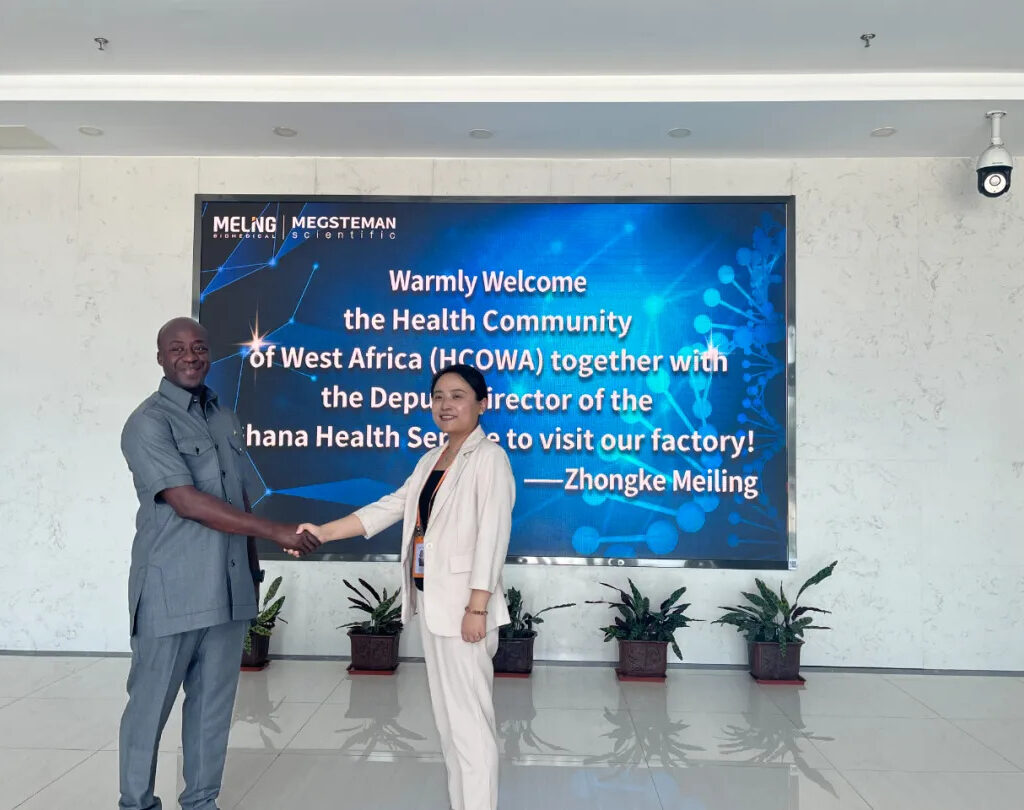
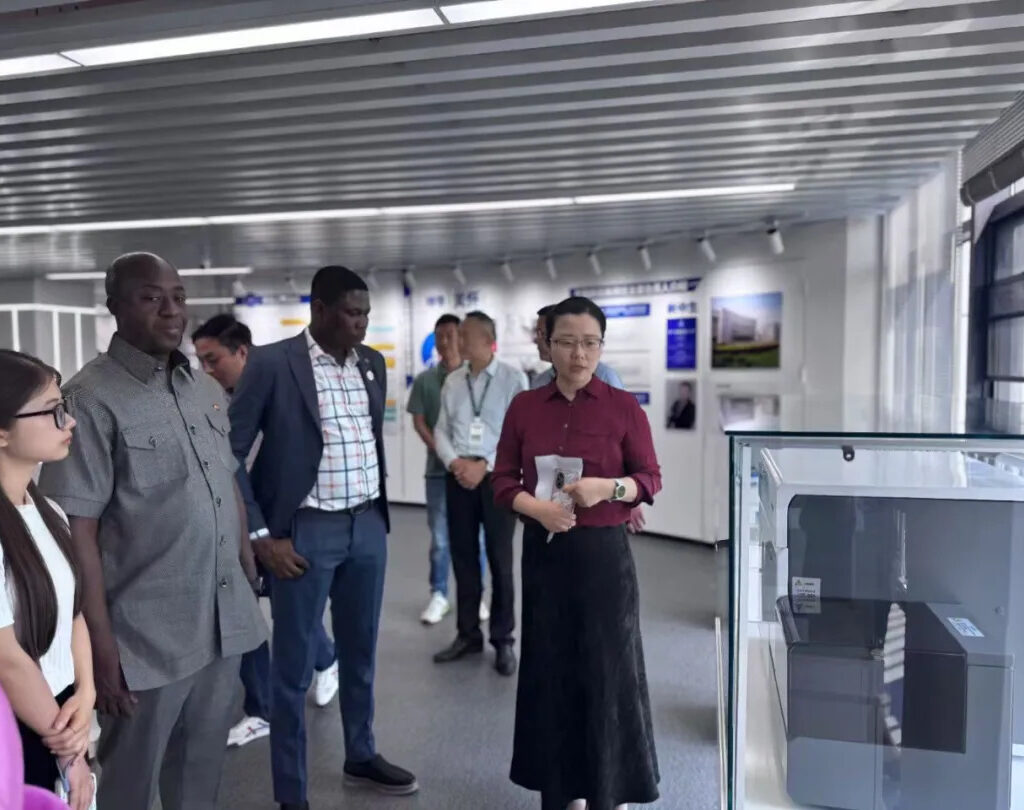
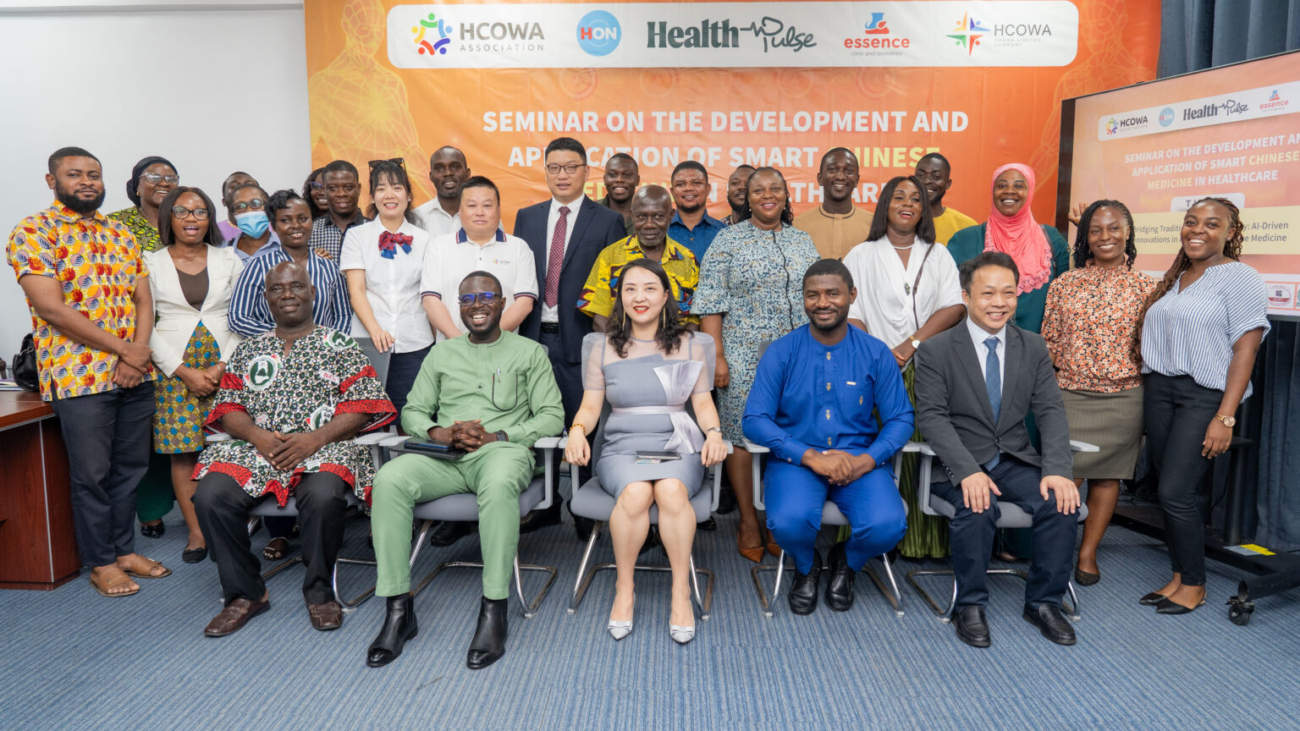
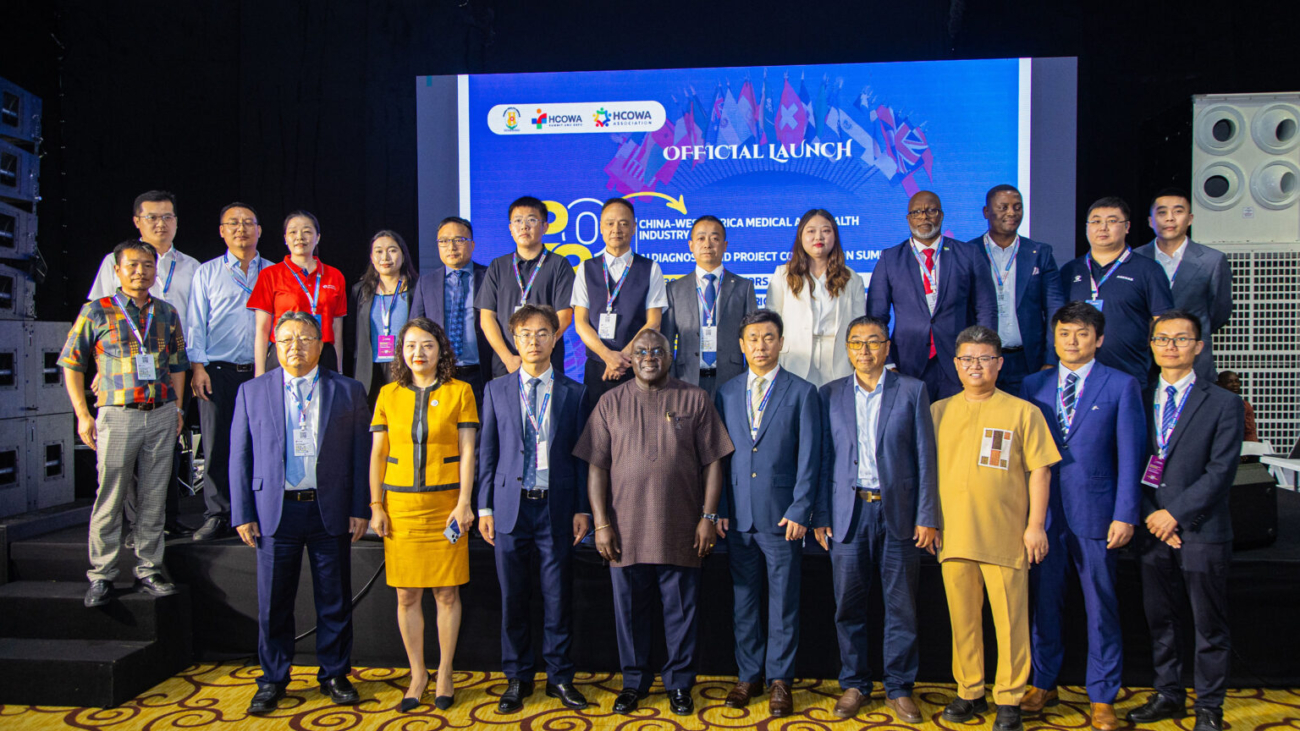
The city of Accra has become the epicenter of innovation in healthcare as the 2025 China–West Africa Medical & Health Industry Expo and AI Diagnosis & Project Cooperation Summit officially commenced with a grand opening at the Accra International Conference Centre (AICC).

Organized by the Health Community of West Africa (HCOWA) Association, the three-day event, popularly known as the HCOWA Medical Expo, runs from August 20th to 22nd, 2025, and is expected to draw thousands of participants, including medical professionals, policymakers, investors, and innovators.

The Expo was preceded by a prestigious welcome dinner, setting the tone for collaboration and dialogue. Among the dignitaries present were the Chief of Staff, Honorable Julius Debrah, Mr. Tang Hong, and the Deputy Director General of the Ghana Health Service, alongside senior officials from Togo’s Ministry of Health, the President of HCOWA, and over Five-hundred Chinese medical manufacturers.

The dinner highlighted the spirit of friendship and mutual respect that underpins this cooperation, serving as a bridge between policy discussions and industry engagement

This year’s Expo is one of the largest of its kind, bringing together:

  • Over 500 Chinese exhibitors;
  • Representatives from 500+ hospitals and clinics across West Africa;
  • More than 1,500 merchants and industry stakeholders;
  • With an estimated 20,000 visitors expected during the three-day program.

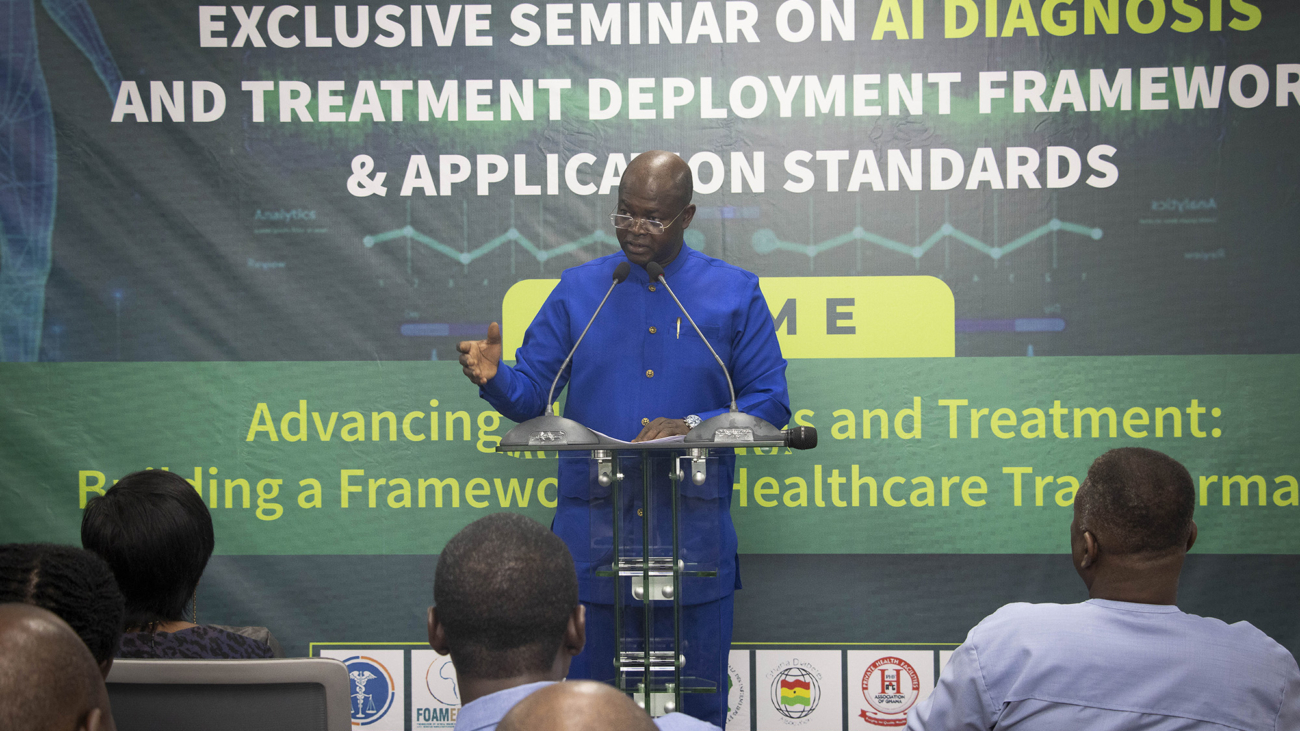
Participants are exploring cutting-edge technologies, from AI-powered diagnostic platforms and next-generation medical imaging systems to advanced surgical tools and hospital management software.

Delivering the keynote address, Chief of Staff Hon. Julius Debrah reaffirmed the government’s commitment to partnering with HCOWA and its international collaborators.

He emphasized that healthcare remains central to Ghana’s development agenda:

“Our vision is to ensure that Ghana and West Africa are not left behind. This partnership allows us to harness global expertise to make healthcare more accessible and more innovative for our people.”

He also underlined that the Expo aligns with government’s ambition of positioning Ghana as a medical hub in the subregion, leveraging innovation to strengthen healthcare delivery and improve doctor-to-patient ratios.

Speaking to journalists, Prince Opoku Dogbey, Vice President of HCOWA Association, highlighted the transformative nature of the initiative:

“This is not just an exhibition; it is a bridge. We are connecting West Africa and China in healthcare, introducing artificial intelligence in diagnostics, medical imaging, and supply chain management to address critical gaps in our systems.”

He revealed that discussions have already begun on establishing factories in Ghana for the local production of medicines, reagents, and medical equipment:

“About 300 manufacturers from China are preparing to set up plants here in Ghana. This means jobs, industrial growth, and reduced dependence on imports. We are working closely with the Ministry of Trade and Industry to make this a reality.”

 Academic and Professional Forums

A major highlight of the Expo has been the launch of four distinct medical forums, starting from Day One. These forums brought together medical professionals, researchers, and doctors from across the West African subregion, alongside Chinese manufacturers and experts. The forums provided platforms for in-depth dialogue, innovation, and knowledge exchange in key fields of healthcare, namely:

  • Oncology
  • AI & Traditional Medicine
  • Nephrology
  • Ophthalmology

Far from being simple academic sessions, these forums have served as platforms for innovation, policy dialogue, and technology showcase, delivering impactful insights that will guide both medical practice and future research in the region.

Beyond exhibitions and forums, the summit sessions are focusing on:

  • Policy frameworks for medical innovation;
  • Public-private partnerships in healthcare;
  • Opportunities for investment in West Africa’s health industry;
  • The role of AI in accelerating diagnosis and improving patient care.

Health experts argue that this Expo could mark a turning point for Ghana’s healthcare system, particularly at a time when local pharmaceutical production remains limited and hospitals are struggling under heavy patient loads.

By creating a platform for knowledge exchange, investment, and project cooperation, the Expo is expected to accelerate the adoption of AI-driven solutions, expand local production of medical supplies, and strengthen healthcare delivery across the subregion.

The event will officially conclude with a closing dinner at La Palm Royal Hotel, offering participants the opportunity to reflect on achievements, celebrate partnerships, and lay the groundwork for long-term cooperation between West Africa and China.
_COD0228

HMAEC Hosts First China-Ghana Minimally Invasive Surgery Innovation Summit

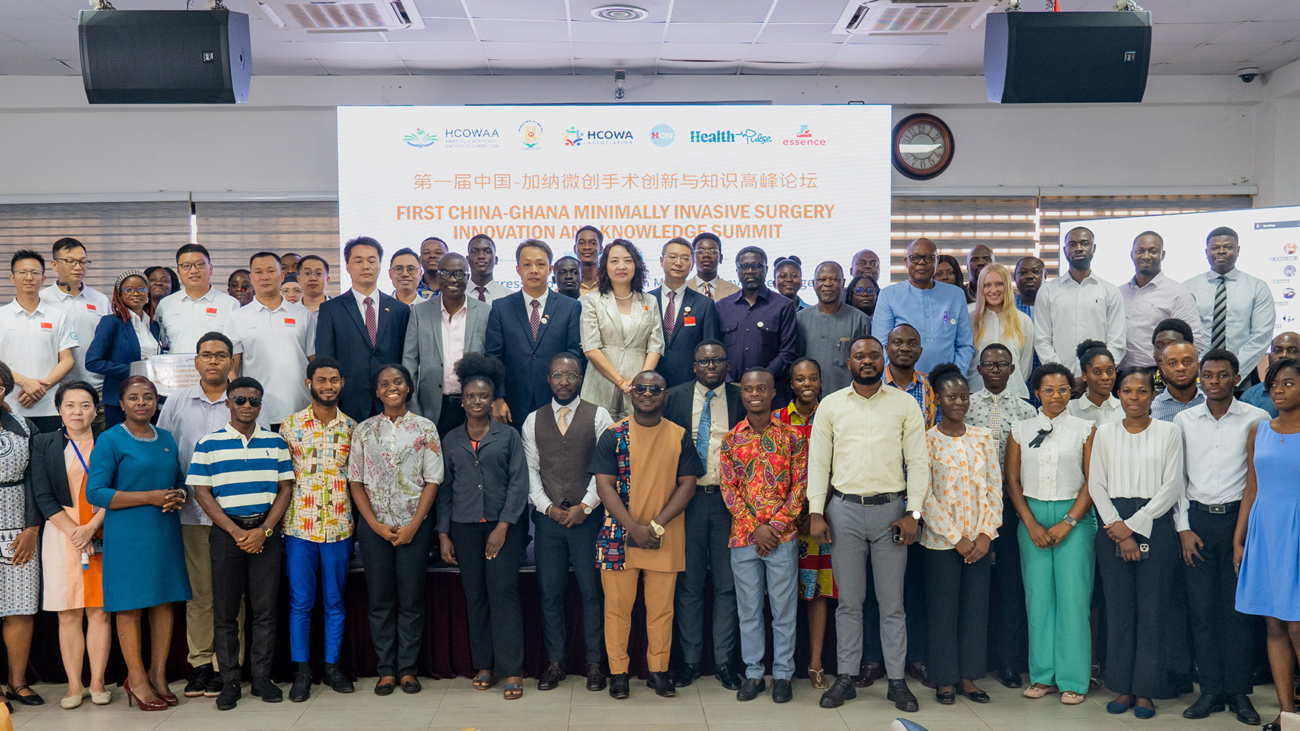
HCOWA China-Ghana Medical Academic Exchange Committee (H-MAEC)  has successfully hosted the inaugural  China-Ghana Minimally Invasive Surgery Innovation & Knowledge Exchange Summit under the theme “Precision, Progress, and Partnership in Minimally Invasive Surgery” . Held at the West Africa Centre for Crop Improvement (WACCI), University of Ghana, the summit marked a milestone in fostering cross-border medical collaboration and innovation.

The landmark event convened leading surgeons, gynecologists, and orthopedic specialists from China and West Africa, creating an exceptional platform for academic exchange. Discussions focused on the latest advancements, practical challenges, and emerging technologies in the field of minimally invasive surgery (MIS). With a strong emphasis on integrating theory and practice, the summit offered hands-on training and expert guidance aimed at empowering both current and future surgical professionals.

In his opening address, Dr. Yang Yongguang, Chief Surgeon and Captain of the 14th Chinese Medical Team to Ghana, highlighted the spirit of partnership that underpinned the summit.

“This summit is more than an exchange of medical knowledge—it is a partnership forged in friendship, uniting doctors, hospitals, and nations in shared purpose and lasting collaboration,” he stated, encouraging participants to learn, grow, and impact lives together.

Delivering the keynote address, Prof. Samuel Debrah, Dean of the Ghana College of Physicians and Surgeons, lauded H-MAEC for organizing such a timely and transformative summit. He emphasized that MIS represents a paradigm shift in surgical care, underscoring Africa’s urgent need to align with the global pace of surgical innovation.

From China, Dr. Cai Dingbin, Secretary of Guangdong Medical University Affiliated Hospital, spoke on the symbolic and practical significance of the summit, describing it as “another elevation of China-Ghana friendship, setting an exemplary model for medical technology innovation and transformation across Africa.”

Among the many insightful presentations on the various aspects of MIS:

  • Prof. Zhang Yuanqi, Director of Tiemenguan Hospital, spoke on the application of laparoscopic techniques in breast surgery, emphasizing the potential for improved cosmetic outcomes and the future role of robot-assisted procedures.
  • Mr. S.M. Zakariah, FRCS, retired IGP and Fellow of the College, addressed the challenges associated with MIS in Africa. He called for targeted training of residents and surgeons to reduce procedural risks and ensure widespread, safe adoption of these techniques.
  • Dr. Nabil Nuamah, Consultant Surgeon at 37 Military Hospital, advocated for the institutionalization of MIS as a standard practice, identifying it as a critical step for progress.
  • Dr. Huang introduced the application of 3D printing in treating pelvic and acetabular fractures, showcasing its role in achieving precision and minimally invasive outcomes.
  • Associate Prof. Zhu Yafei, Deputy Chief of the Women’s Center, delivered a philosophical perspective on MIS, stating: “Modern medicine is not almighty, and laparoscopic surgery is not synonymous with minimally invasive surgery. It is more of a philosophy than a technique—one rooted in reverence for life and the principle of ‘first, do no harm.’”
  • Dr. Yang Yongguang also presented on technological advances in laparoscopic hepatectomy, noting that laparoscopic left hemihepatectomy is now a mature and standardized operation.

The summit which was brilliantly moderated by Manager of Essence Lab and Clinic, Mr. Benjamin Kwei Mensah also featured a product demonstration showcasing the Plasma Surgery Machine for thyroid, ENT, breast, and arthroscopy procedures. He emphasized the transition from heat-based to kinetic energy, improving precision and minimizing tissue trauma.

China-West Africa Medical Expo

Mr. Prince Opoku Dogbey, Vice President of HCOWA Association  extended a warm invitation to all stakeholders to participate in the upcoming  2025 CHINA-WEST AFRICA MEDICAL AND HEALTH INDUSTRY EXPO AND AI DIAGNOSIS AND PROJECT COOPERATION SUMMIT scheduled to take place from August 20–22, 2025 at the Accra International Conference Centre. He beckoned  the audience to actively participate to further strengthen partnerships and accelerate progress in healthcare delivery across the region.

The summit concluded with vibrant networking sessions and a photo exhibition, reinforcing the spirit of collaboration and shared purpose that defined the day.

The 2025 Ghana Minimally Invasive Surgery Innovation & Knowledge Exchange Summit stands as a testament to what can be achieved when nations, professionals, and institutions come together to advance health, technology, and human well-being.

GRP-MOU-1536x864

HCOWAA Forges Key Alliances to Boost Herbal and Alternative Medicine in West Africa

The Health Community of West Africa Association (HCOWAA) has secured strategic partnerships with three leading Ghanaian institutions in the traditional and alternative medicine field. These collaborations aim to enhance research, policy development, and innovation, integrating herbal medicine towards advancing healthcare. 

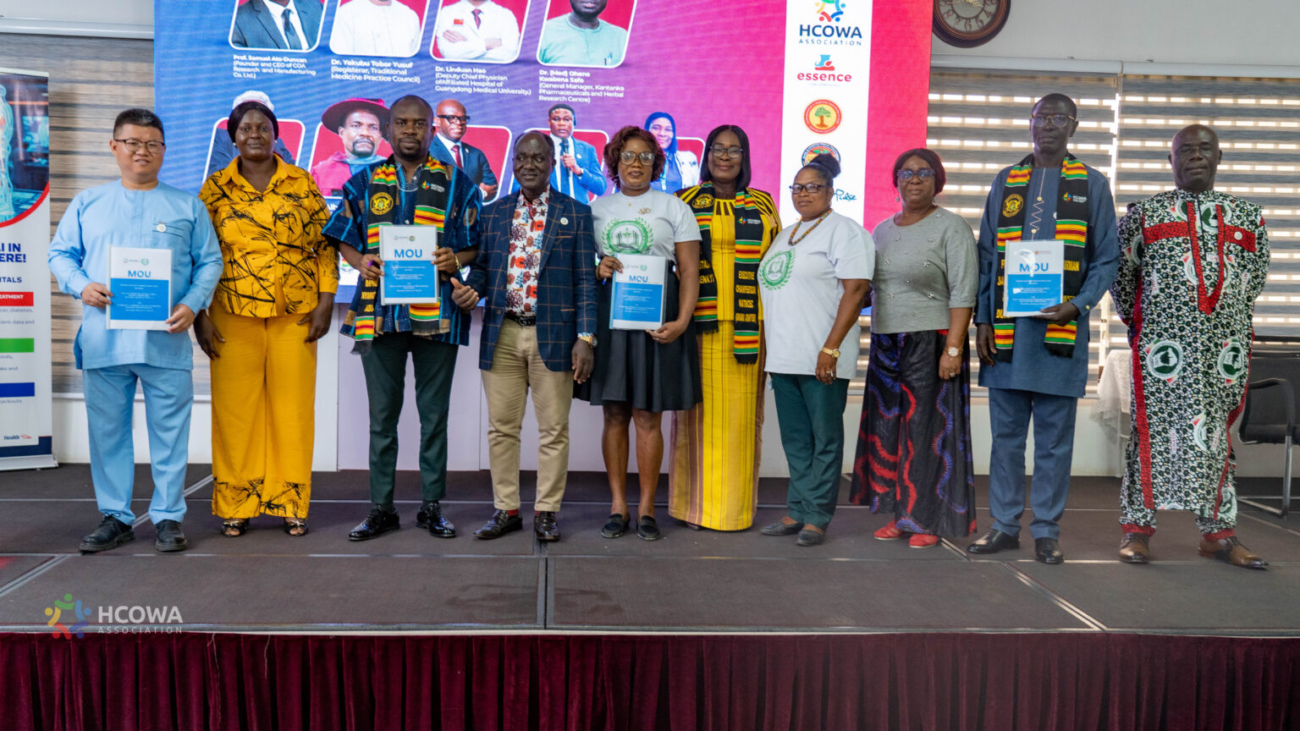
The newly signed Memorandums of Understanding (MoU’s) establish cooperation between HCOWAA and the Nyarkotey University College of Holistic Medicine and Technology, the Ghana Federation of Traditional Medicine Practitioners’ Associations (GHAFTRAM), and the Ghana Alternative Medical Practitioners Association (GAMPA). Together, they will work to merge traditional healing practices with modern scientific methods and digital health technologies. 

Key Focus Areas of the Partnerships

HCOWAA and Nyarkotey University will jointly advance herbal medicine research, curriculum development and academic exchanges. The partnership will also explore synergies between Traditional Chinese Medicine and indigenous African practices. Additionally, the university will host certified master classes and workshops, including programs supported by the 14th Chinese Medical Team in Ghana. 

The alliance with GHAFTRAM will prioritize pharmaceutical research, clinical trials, and product development. The two organizations will co-host major events such as the China-West Africa Expo and the HCOWAA Medical and Health Industry Investment Summit. A key outcome is the established West African Traditional Medicine Cooperation and Exchange Centre, promoting regional collaboration and innovation. 

 HCOWAA and GAMPA will collaborate on developing scientifically validated herbal treatments, conducting training programs, and raising public awareness about alternative medicine. GAMPA will leverage its extensive network to support health education initiatives and contribute to HCOWAA’s media platforms, including the widely circulated Health Pulse magazine. 

 A notable aspect of these agreements is the incorporation of artificial intelligence (AI) and smart diagnostics into herbal medicine. By introducing AI-powered clinical tools and digital health systems, the partnerships seek to modernize traditional healthcare, bridging ancestral wisdom with contemporary medical technology. 

These alliances underscore HCOWAA’s commitment to strengthening healthcare systems, fostering innovation, and promoting cultural integration across the region. The MoU’s are designed to remain in effect indefinitely, with provisions for periodic review and adjustments as needed. 

The outcomes of these partnerships will be highlighted at upcoming regional summits, expos and publications—ushering in a new era of integrated, evidence-based, and tech-driven traditional medicine in West Africa. This initiative marks a pivotal shift in regional healthcare policy, uniting academic, clinical, and community expertise to create a more inclusive and advanced future for alternative medicine in Africa.

3344

Ghana and China Join Forces to Transform Healthcare Education and Digital Health

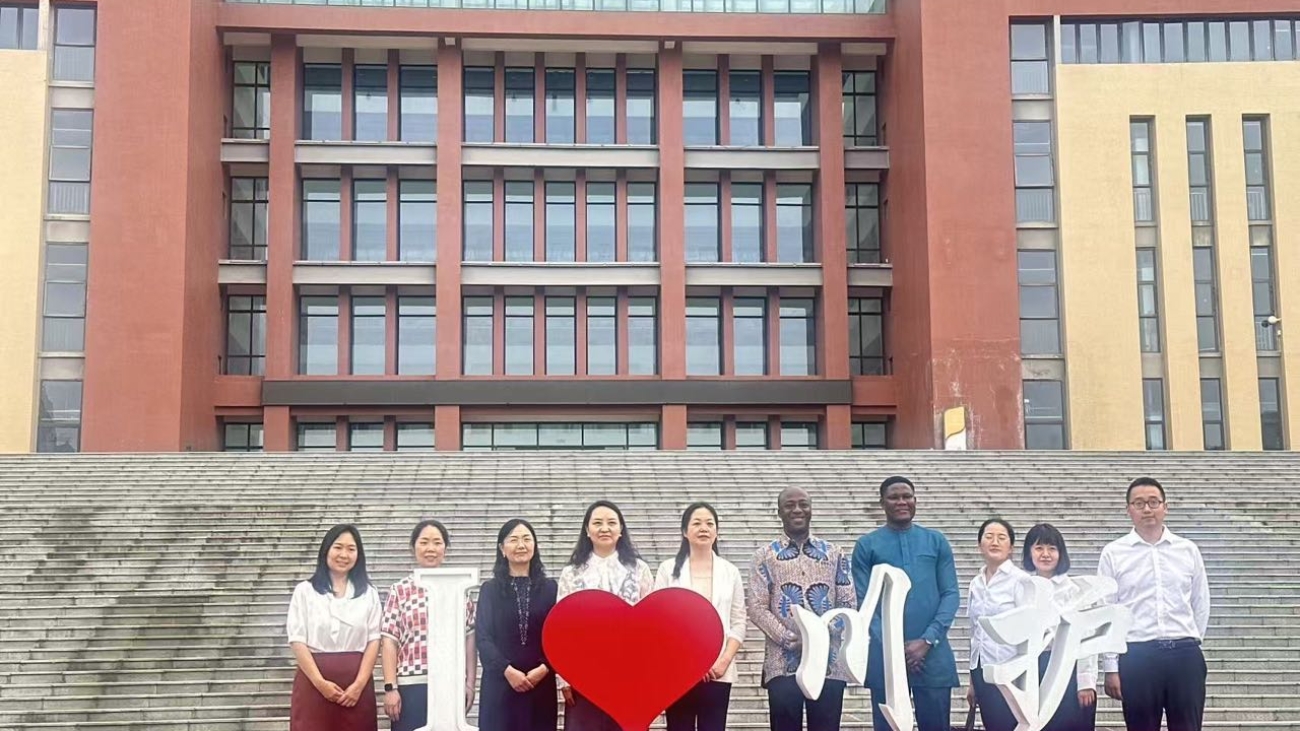
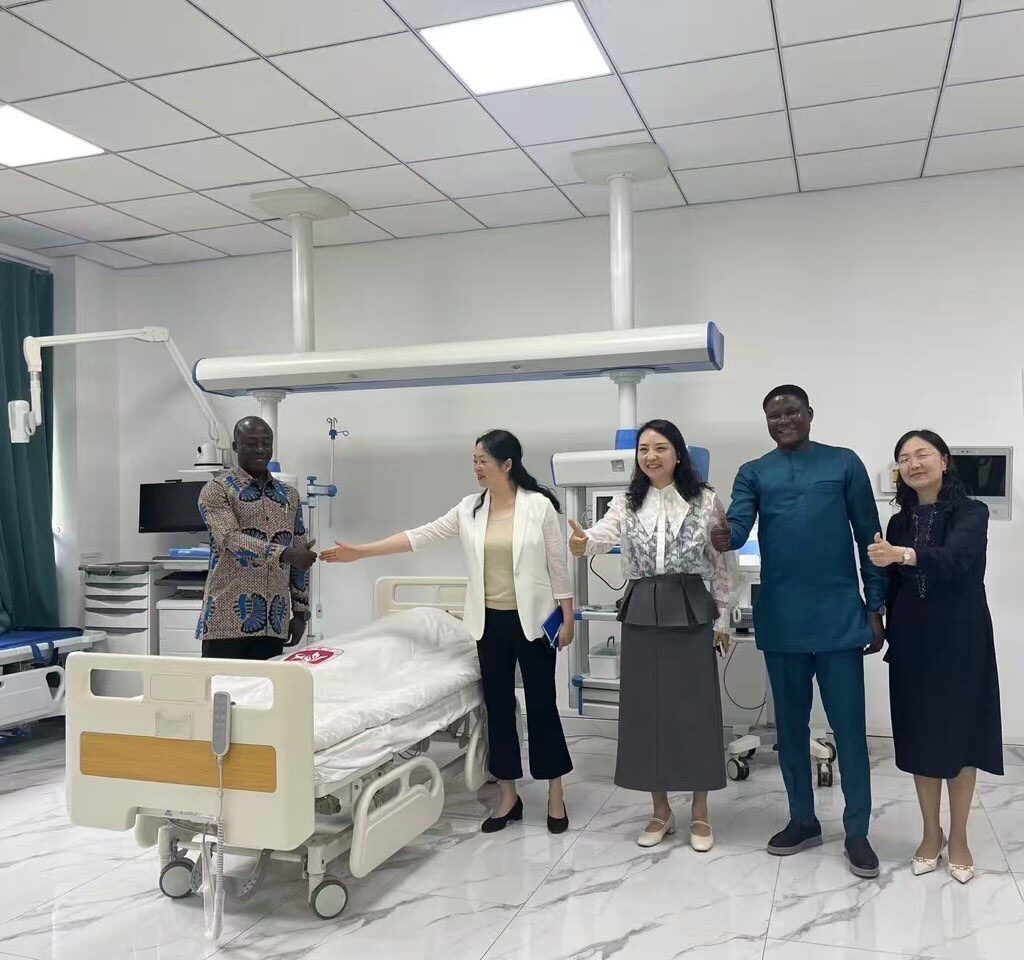
Representatives from the Health Community of West Africa Association (HCOWAA) and the Ghana Health Service (GHS) visited the Sichuan Vocational College of Health and Rehabilitation in Zigong City, China, on June 9th, 2025 to discuss academic collaboration and strengthen bilateral ties in healthcare education and training.

The tour, which highlights Ghana and China’s increasing medical partnership, intended to promote student and faculty exchanges, collaborative research efforts, and the sharing of best practices in nursing and healthcare education.  The Ghanaian delegation toured the college’s cutting-edge facilities, which included a smart elderly care training base, a traditional Chinese medicine (TCM) culture popularization center, and sports rehabilitation training facilities. All of these facilities were praised for integrating industry and education.

During discussions from the launch of the HCOWAA Academic and Exchange Committee which occurred on Monday, 12th May, 2025, both sides emphasized the importance of cross-border knowledge exchange in addressing healthcare challenges in West Africa. Dr. Lawrence Ofori-Boadu, Director of the Institutional Care Division of GHS, highlighted Ghana’s commitment to digital healthcare transformation and expressed interest in adopting China’s advancements in telemedicine, AI-assisted diagnostics, and nursing education models.

The Sichuan Vocational College of Health and Rehabilitation, with its century-long history in medical education, has been a pioneer in nursing and rehabilitation training, boasting a 92% employer satisfaction rate among its graduates.

The college’s leadership, including Vice-President Li Qin, welcomed the opportunity to collaborate with Ghanaian institutions in areas such as maternal healthcare training, a field where China has previously supported Ghana through programs like the 2015 Chengdu-based maternal health training for Ghanaian professionals. 

This visit builds on existing Sino-Ghanaian healthcare collaborations, including North Sichuan Medical College’s training programs for Ghanaian medical students and the newly launched HCOWAA Medical & Academic Exchange Committee, which seeks to integrate Chinese medical expertise with Ghana’s healthcare system.

“This collaboration is not just about sharing knowledge—it’s about building a sustainable future for healthcare in Ghana through innovation and mutual learning,” said Mr. Prince Opoku Dogbey, the vice president of HCOWAA (Ghana), who represented HCOWA Association during the visit.

640-_1_

HCOWAA and GHS Explore Medical Tech Partnerships in China.

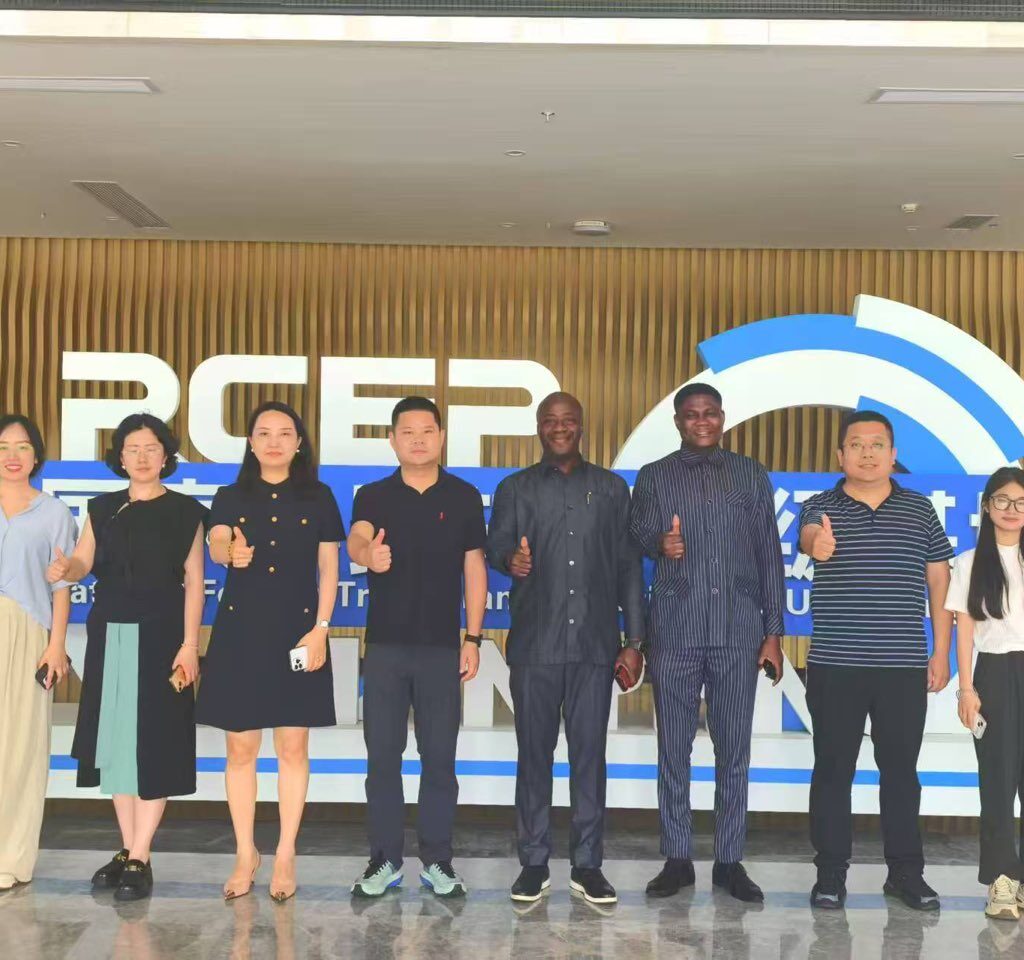
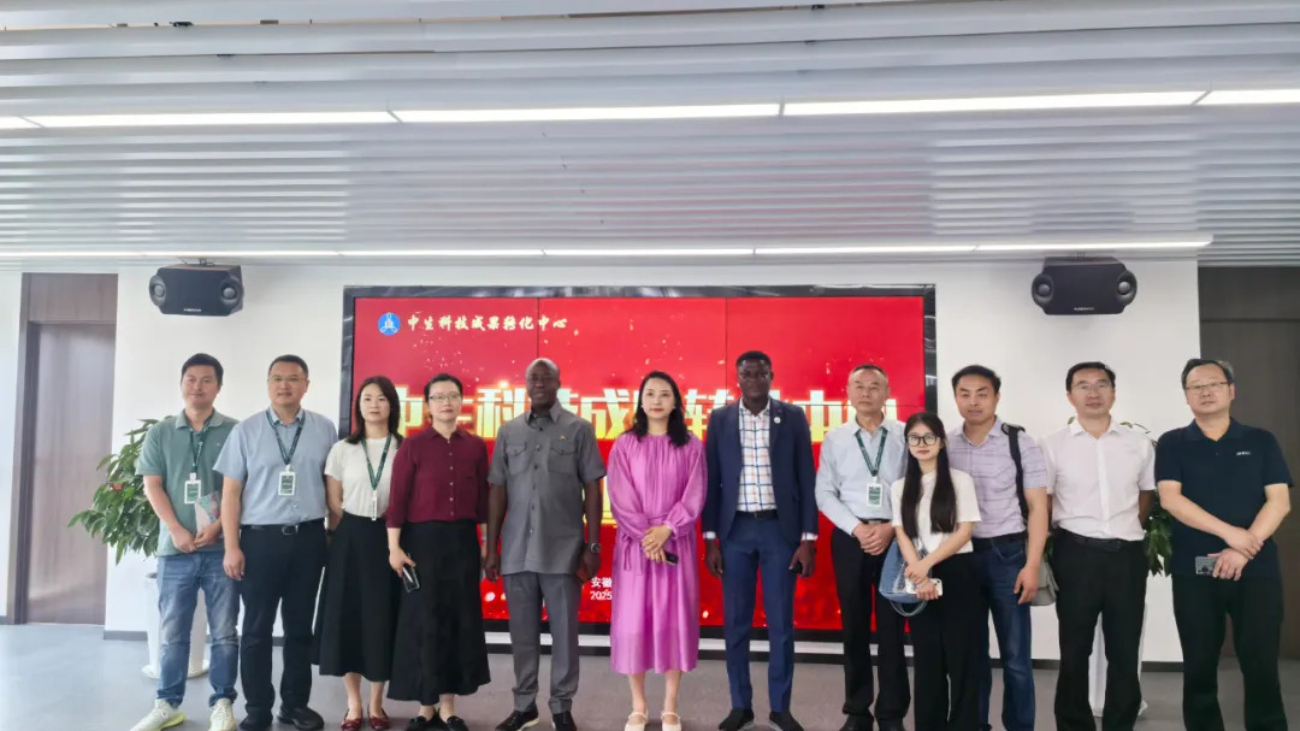
On June 6, 2025, an important visit to Hefei focused on strengthening links between West African health authorities and Chinese medical technology developers.  A high-level delegation, comprising officials of the Ghana Health Service (GHS) and the Health Community of West Africa Association (HCOWAA), examined major facilities at the Sino-Life Science and Technology Achievement Transformation Centre.

Led by the HCOWAA President Jiang Sihong and Gaetan Charles Adangabey, Deputy Director General of the GHS, the delegation engaged in substantive discussions with representatives from the Big Health Research Institute of the Hefei National Comprehensive Science Center. The visit provided a platform for mutual learning and exploring potential partnerships.

A key focus was Sinopharm’s advanced medical technologies. Following a tour, the Deputy Director General Adangabey expressed strong appreciation, particularly for Sinopharm’s flow cytometer products, highlighting their technical strength and potential solutions for healthcare needs.

“There will be great opportunities for cooperation and exchange in the future,” he stated.                 The dialogue offered valuable insights into West African market demands and established crucial communication channels linking Chinese research, innovation, and industry with the region’s development goals.

The delegation’s itinerary also included Zhongke Meiling Cryogenic Technology Co., Ltd., a national high-tech enterprise specializing in life science, smart cold chain, and family health solutions. Located in the Hefei Economic Development Zone, Zhongke Meiling presented its technological advancements and engaged in in-depth talks regarding future cooperation possibilities in the West African market.

The visit is seen as a promising step towards expanding collaboration. Observers believe it could pave the way for Anhui province, and the broader Yangtze River Delta region’s thriving health industry, to make significant inroads into Africa, particularly the high-potential West African region.

Confirming this momentum, Zhongke Meiling announced its participation in the upcoming “2025 China-West Africa Healthcare Industry Expo and AI Medical Deployment & Project Cooperation Summit,” scheduled for 20th -22nd August, 2025 in Accra, Ghana. The company expressed eagerness to forge a deeper strategic partnership with HCOWA, aiming to jointly foster innovation and growth within the healthcare sector across West Africa.

_MG_8639

GHS Director-General Joins HCOWA Board as Ambassador for AI and Healthcare Innovation

The Director-General of the Ghana Health Service (GHS), Professor Samuel Kaba Akoriyea, has officially confirmed his appointment as the Ambassador for Artificial Intelligence and Healthcare Innovation on the Board of the Health Community of West Africa (HCOWA) Association.

This strategic role positions him to lead efforts in promoting technological advancement and innovation across healthcare systems in West Africa, with a focus on digital transformation, artificial intelligence, and cross-sector collaboration.

In a formal acceptance letter addressed to the leadership of HCOWA and received on Wednesday, April 16, 2025, Professor Kaba conveyed his profound appreciation for the appointment and reaffirmed Ghana’s unwavering commitment to advancing digital transformation in the healthcare sector.

According to him, the call to serve as an Ambassador for Artificial Intelligence and Healthcare Innovation at HCOWA is a timely and welcoming one. “Ghana cannot afford to be left behind in the technological evolution transforming global healthcare,” he emphasized.

He added, “As a country with a strong foundation in medical excellence and innovation, this role presents an opportunity to position Ghana at the forefront of AI-driven healthcare in the sub-region.”

He further emphasized that Africa, particularly the West African sub-region, stands to gain immensely from the adoption of artificial intelligence in healthcare, as it has the transformative potential to address long-standing challenges such as diagnostic accuracy, disease surveillance, and hospital management.

According to him, the integration of AI presents practical and scalable solutions that can significantly strengthen healthcare systems across the region, and he expressed confidence that the partnership with HCOWA offers a strategic platform to drive such innovations and position West Africa as a leader in AI-driven healthcare advancements.

Professor Kaba added that the Ghana Health Service is ready to provide leadership, knowledge, and institutional support for the successful implementation of these initiatives. “This appointment is not just about representation. It is about building strategic frameworks that ensure real impact on the ground, and I am fully committed to that,” he added.

During the initial meeting with the Director-General before the confirmation, the President of HCOWA Association, Sihong Jiang, explained that the Association is poised to transform Ghana’s healthcare sector through Artificial Intelligence and would fully roll out its partnership.

She emphasized that while her plans are ambitious, they will require the collective effort of the local community, and one of the key institutions in this endeavor is the Ghana Health Service.

Strengthening AI-Driven Healthcare in West Africa

Professor Kaba’s appointment comes at a time when the West African sub-region is intensifying efforts to embrace Artificial Intelligence as a critical tool in improving healthcare delivery, efficiency, and accessibility. His new role as Ambassador places him at the center of this regional transformation, where he is expected to provide high-level strategic guidance and advocacy in AI integration.

As part of his ambassadorial responsibilities, he will work closely with public and private institutions to promote the adoption of AI-powered solutions in healthcare systems. His focus will be on improving patient care through AI-enhanced diagnostics, hospital management systems, and digital public health interventions. He will also help build partnerships between public health institutions and AI-driven medical enterprises, while strengthening Ghana’s position as a leader in healthcare innovation on the continent.

Professor Kaba will serve as a key representative of HCOWA at major international events, including the 2025 China-West Africa Medical and Health Industry Expo, where he will promote AI applications in areas such as disease surveillance, imaging technology, and traditional medicine.

Prof. Kaba Confirms Partnership to Co-Host the 2025 China-West Africa Medical Expo

In addition to confirming his role on the HCOWA Board, Professor Kaba announced that the Ghana Health Service will serve as co-host of the 2025 China-West Africa Medical and Health Industry Expo and National Centralized Procurement and Project Cooperation Summit.

The summit, a flagship initiative of HCOWA, will bring together leading Chinese medical enterprises, West African health stakeholders, and policymakers to forge new partnerships in healthcare investment and innovation.

 According to him, the Ghana Health Service welcomes the opportunity to partner with HCOWA in co-hosting the upcoming 2025 China-West Africa Medical and Health Industry Expo and National Centralized Procurement and Project Cooperation Summit.

The 2025 Expo will feature a dedicated summit on Artificial Intelligence in healthcare, alongside strategic discussions on centralized procurement and project cooperationThe event will explore the integration of AI departments in healthcare facilities, AI-powered medical imaging, AI-driven traditional Chinese medicine, AI-powered national disease control systems utilizing big data, and the AI-enhanced medical supply chain. Professor Kaba’s leadership is expected to guide the discussions and contribute significantly to shaping policy outcomes and regional partnerships.

He emphasized that the participation of the Ghana Health Service will ensure that the country’s experiences, standards, and innovations are shared with the broader West African region. “Given the Ghana Health Service’s pivotal role in shaping national healthcare policy and implementation, we are eager to partner with HCOWA to co-host this important event,” he stated.

Profile of Professor Samuel Kaba Akoriyea

Professor Samuel Kaba Akoriyea is a seasoned neurosurgeon, public health physician, and academic with over 26 years of experience in Ghana’s healthcare system. He is best known for his leadership in health systems development, innovation, and emergency response. His career spans several high-level roles including Director of the Institutional Care Division of GHS, Deputy Director of the National Ambulance Service, and currently, Director of Special Duties. He led the successful separation of conjoined twins in Ghana and introduced virtual reality and telemedicine applications in neurosurgery, positioning Ghana as a pioneer in these medical technologies in Africa.

Beyond clinical practice, Professor Kaba is an influential figure in health governance and diplomacy. His work in strategic planning, health systems strengthening, and digital innovation has earned him both national and international recognition. As a professor and advocate for social development, he has contributed significantly to the fields of health and education, championing progressive public health policies and research.

Commitment to Regional Growth

In concluding his statement, Professor Kaba assured the HCOWA Association of the Ghana Health Service’s unwavering support and dedication to regional progress in healthcare. He noted that the Service remains committed to driving impactful change and fostering innovation across the sub-region.

“HCOWA Association should be assured of the Service’s support and commitment to regional growth in the medical sector as well as to driving impactful change across the sub-region,” he stated.

His appointment is widely viewed as a major step toward advancing the role of innovation in healthcare and ensuring West Africa remains at the forefront of technological adoption in the health sector. With Professor Kaba on board, HCOWA is poised to deepen collaboration, foster innovation, and deliver stronger healthcare systems across West Africa.

seminar-04-1536x892

HCOWAA Hosts its 5th Seminar on AI-Driven Innovations in Chinese and Herbal Medicine.

Technology is transforming every aspect of human life; healthcare is no exception. The Health Community of West Africa (HCOWA) Association of Ghana took a bold step forward by hosting its 5th seminar on the development and application of Smart Chinese Medicine in healthcare. Held on April 4th, 2025, at the HCOWA headquarters, La Trade Fair, this event brought together leading herbal medical practitioners from China and Ghana.

Under the theme, “Bridging Tradition and Technology: AI-Driven Innovations in Africa and Chinese Medicine,” the seminar explored how artificial intelligence can revolutionize the development, application, and regulation of herbal medicine. The event featured prominent voices in the field, including Dr. Yakubu Tubor Yusuf, Okogye Abibiduro Nana Kwadwo Obiri, Dr. (Med) Ohene Kwabena Safo, Dr. MH. Sandra Ashong, and renowned Chinese AI-TCM experts.

Key Discussions and Insights.

Among the guest speakers was Doctor Yusuf Yakubu, the Registrar for the Traditional Medicine Practice Council (TMPC) Ghana. He’s a proud graduate of Kwame Nkrumah University of Science and Technology (KNUST) who earned his Bachelor of Herbal Medicine in 2014. He further deepened his expertise at the Centre for Plant Medicine Research in Mampong from 2015 to 2017 and through clinical training at Tetteh Quarshie Hospital. His unique knowledge of both traditional and modern practices positions him as a strong advocate for the regulation and standardization of herbal medicine.

In his speech, Dr. Yusuf highlighted the significance of traditional healing practices in Africa and China, emphasizing their comprehensive frameworks of knowledge refined over generations. He noted that artificial intelligence can amplify this ancestral wisdom and acknowledges the crucial role traditional medicine has played in global healthcare, inspiring modern pharmaceuticals and continuing to revolutionize the field.

Adding further insights was the President of the Ghana Association of Medical Herbalists, Dr. MH Sandra Ashong. She is a renowned herbal and medical practitioner with a decade and a half of experience in diverse technical know-how in traditional and alternative medicine, especially medical herbalism. She is currently the head of the Complementary and Alternative Medicine unit at the Lekma Hospital, having studied herbal medicine at the Kwame Nkrumah University of Science and Technology. She also has an MBA in Health Service Management.

“The herbal medicine industry is made up of regulation, research, clinical medicine practice, manufacturing, cultivation and education, which are striving to enhance their progress to meet the demands and expectations of their customers, utilizing various methodologies. The herbal medicine industry is a critical field that plays a vital role in saving lives. It should now operate based on continuous innovation and the adoption of new technologies to address healthcare issues and its challenges.” Dr. Ashong said.

She further explained how artificial intelligence (AI) technologies have now been explored in all fields and disciplines of herbal medicine by herbal medicine experts, including medical herbalists in recent years.

In addition to the above, the General Secretary of the Ghana Federation of Traditional Medicine Practitioners Association (GHAFTRAM), Mr. Okogye Abibiduro Nana Kwadwo Obiri, a distinguished traditional medicine practitioner and director of the Obiri Herbal Research Centre located at New Weija, Ghana, with over three decades of experience since 1989, also gave his speech.

He holds a traditional practitioner’s license from the Traditional Medicine Practice Council (TMPC) of Ghana, granted in 2009. His educational background includes a certificate in Basic Science in Herbal Medicine Production from Kwame Nkrumah University of Science and Technology (KNUST)—WHO Training for Traditional Medicine Practitioners (2012).

During his speech, he concluded by saying that “the future of traditional medicine in Africa is bright, and AI is the key to unlocking its full potential. By leveraging AI, we can modernize traditional medicine, enhance its credibility, and expand its reach to benefit millions. GHAFTRAM stands ready to champion this transformation, ensuring that traditional medicine continues to play a vital role in Africa’s healthcare system hence let us embrace innovation, foster collaboration, and work towards a future where AI and traditional medicine complement each other to create a healthier, more inclusive world.”

Next was Dr Ohene Kwabena Safo, a graduate of the University of Ghana Medical School, where he earned a Bachelor of Medicine and a Bachelor of Surgery degree. He is currently in specialist training with Ghana College for Physicians and Surgeons. He is a Quality Consultant, CEO of the OKS Group, the Vice President of the Private Health Facilities Association of Ghana (Greater Accra) and the General Manager for Kantanka Herbal Pharmaceuticals and Research Centre.

During his speech, He emphasized on the significant impact of technology on his practice, enabling him to effortlessly track patients’ medical records and swiftly identify potential risks. He also explored innovative solutions, such as utilizing drones for doorstep medicine delivery and introducing a cutting-edge ring device that allows him to supervise patients on managing their personal health records.

Additionally, he explained how AI is driving positive change in production and use of herbal medicine Stressing on the 3 Ps that is Practice, Production and Professionalism, he elaborated on the value of standardization and it how it can assist seamless merge of tradition and technology.

Fostering Collaboration and Future Integration.

The seminar concluded with interactive discussions and socialization where participants expressed strong interests in exploring and integrating AI in the development of herbal medicine.

A Memorandum of Understanding (MOU) was signed between the president of HCOWA, Sihong Jiang and two prominent Ghanaian herbal medicine institutions; Kantanka Herbal Pharmaceutical and Research Centre and The Ghana Association of Medical Herbalists.

This partnership aims to enhance the quality and efficacy of herbal products through collaborative research, development, and commercialization. By combining their expertise, they can improve the healthcare sector in Ghana, marking a significant milestone in promoting traditional medicine in Ghana.

The Health Community of West Africa Association remains at the forefront of innovative healthcare solutions, championing the integration of herbal medicines to enhance medical outcomes and address regional health challenges.

The-devastating-realrty-of-neonatal-abstinence-syndrome

The Devastating Reality of Neonatal Abstinence Syndrome: Causes, Symptoms and Treatment.

Neonatal Abstinence Syndrome refers to a condition that occurs when a newborn baby is exposed to opioids or other substances such as benzodiazepines or barbiturates during pregnancy, which leads to withdrawal symptoms after childbirth ranging from mild to severe, including tremors, irritability, fever, and seizures.

How Does This Happen?

1. Pregnant women who use opioids, whether prescribed or illicit, are likely to pass the substances to their baby.

2. Pregnant women who undergo treatment for opioid use disorder through receiving medication-assisted treatment can still pass opioids to their babies.

3. Also, babies can be exposed to opioids or other substances through living in an environment or household where these substances are being used.

Symptoms.

Babies typically experience common symptoms of NAS within the first week after they are born but can occur up to 2 weeks afterwards. These common symptoms often include tremors, fever, seizures, vomiting, diarrhea, excessive sweating, frequent yawning, and congestion.

Diagnosis.

For diagnosis, a thorough review of the mother’s medical history, especially substance usage, a physical examination of the newborn to assess for symptoms, and urine or blood tests are conducted to detect the presence of opioids or other substances.

Treatment.

If it is confirmed that a baby has NAS, medications such as morphine or methadone are used to help manage the withdrawal symptoms. The baby undergoes supportive care like hydration, nutrition, and comfort measures, whereas there are non-pharmacological interventions such as swaddling or rocking the baby to help soothe it.

Prevention.

Prevention involves regular prenatal care for the mother’s health to be monitored in order to detect any potential issues, and then treatment for substance usage can begin. Additionally, potential mothers need to be counseled and educated on the risks and preventive methods.

A recent study published in Frontiers in Pediatrics (March 2025) found that infants with NAS have a higher risk of infant mortality and hospitalizations during their first year after being born. However, the study also noted that the association between NAS and infant mortality diminished after adjusting for other factors such as maternal health and socioeconomic status.

Despite that, researchers have been working to better understand and develop effective treatments for NAS. Another important finding from the study shows that infants with NAS are more likely to experience post-discharge hospitalizations and stay longer at the hospital; hence, the need for ongoing support and care for these infants even after they have been discharged from the hospital.

Overall, the advances in NAS research are essential in addressing this critical health issue. Through the continuation to study and understand NAS, researchers can provide more effective ways for healthcare professionals to treat and improve the lives of affected infants and their families.

Babies should be our priority since they are our future leaders.

Source : Lee, J., et al. (2025). Neonatal Abstinence Syndrome: A Systematic Review and Meta-Analysis. Frontiers in Pediatrics, 13.

Navigating-the-Path-to-Relief

Navigating the Path to Relief: A Comprehensive Guidelines for Acute Migraine Treatment.

Acute migraine is known as a neurological disorder characterized by recurrent episodes of severe headaches usually accompanied by sensitivity to light, sound, and nausea. Migraines can negatively impact an individual’s quality of life, such as emotional distress, social isolation, and even missed workdays.

There are medications such as triptan, ergotamine, and other over-the-counter pain medicines to help with the pain; however, these treatments may not be effective for everyone, as everyone experiences different effects. Hence, the new guidelines from the American College of Physicians (ACP) for the treatment of acute migraine aim to improve the management and treatment, reducing the burden of this condition.

There are updated recommendations such as

1. Thorough assessment and diagnosis of an individual, including a detailed medical history as well as a physical examination of the affected person. Healthcare practitioners are encouraged to use triptan, ergotamine, and anti-nausea medications as the first line of treatment and then develop personalized treatment plans.

2. Healthcare professionals are encouraged to advise their patients on their lifestyle modifications, like maintaining a consistent sleep schedule, which is getting 7-8 hours of sleep, avoiding triggers that can cause migraines, such as certain foods or stress, and practicing stress-reducing methods like meditating or deep breathing.

3. Patients should be educated on their treatment options and how to manage their symptoms based on their specific needs and medical history, and then follow-up care should be provided in order for healthcare professionals to monitor the individual’s response to treatment and make the necessary adjustments needed.

4. There are also recommendations on an individual’s lifestyle to help avoid acute migraines, such as identifying and avoiding foods that can trigger migraines, usually gluten, dairy, citrus fruits, or foods containing tyramine or MSG; ensuring to eat your meals regularly to prevent low blood sugar; and consuming foods that are rich in magnesium and vitamin B2, such as dark leafy greens and whole grains, or considering supplements after consulting with a healthcare provider.

The old guidelines for treating acute migraine recommended various medications, including acetaminophen, NSAIDs, triptans, and antiemetics, along with personalized treatment plans and lifestyle modifications.

However, the new guidelines provide a more comprehensive approach to dealing with acute migraines with their updated recommendations for treatment. Some benefits are improved treatment outcomes, patient satisfaction, and reduced healthcare costs through minimizing the need for frequent hospital visits.

Source: American College of Physicians.

WHOs-Integrated-Approach-On-TB-and-Lung-Health

WHO’s Integrated Approach To TB And Lung Health: A New Era In Healthcare.

The World Health Organization (WHO) has emphasized the need for an integrated approach to combat tuberculosis (TB) and lung health, focusing on people-centered care and the social factors of healthcare.

This approach recognized that TB is often linked to other health conditions like HIV, diabetes, and malnutrition; hence, the approach seeks to address these underlying conditions as well. The WHO noted that TB remains the world’s deadliest infectious disease, responsible for over 1 million deaths annually. Despite progress made in combating TB, global efforts are being threatened by drastic cuts in terms of funding, rising drug resistance, and ongoing conflicts.

Tuberculosis is known as a bacterial infection caused by a mycobacterium tuberculosis that affects the lungs as well as other parts of the body. Symptoms may include coughing, chest pain, coughing up blood, fatigue, weight loss, reoccurring fever, sweating at night, and chills.

Some determinants are malnutrition, smoking, people with a weak immune system like those with HIV/AIDS, adults and young children, and having close contact with an infected person.

For diagnosis, a chest X-ray, sputum test, blood test, or tuberculin skin test can be done to detect the presence of the bacteria that cause TB in the body. The new guidelines released by WHO are organized into five modules:

Module 1: Prevention. This focuses on adhering to the preventive measures such as practicing good hygiene, regular screenings, and vaccinations, as well as avoiding close contact with an infected person.

Module 2: Screening. This includes 17 new updated recommendations for screening and prioritizing populations like affected patients, people living with HIV, and those in prisons.

Module 3: Diagnosis. For rapid TB detection, three new classes of nucleic acid amplification tests (NAATs) have been endorsed.

Module 4: Treatment. This provides updates on drug-resistant TB treatment, a 6-month BPaLM regimen, and a 9-month all-oral regimen.

Module 5: Comorbidities, Vulnerable Populations, and People-Centered Care addresses the management of TB in children, adolescents, and susceptible individuals.

According to WHO, the cure rate for the new cases of TB is around 85%; however, this can vary depending on factors such as the severity of the disease, the presence of drug-resistant TB, and a patient’s adherence to treatment prescribed by medical experts.

To conclude, TB can be cured with proper treatment and a patient’s adherence to treatment to prevent relapse. As an individual, always complete your full treatment course, which is usually taken about six to nine months, ensure to attend follow-up appointments, and practice good hygiene.

Source: World Health Organization.